
Entrepreneurship
How Construction Entrepreneurs Prevent Costly Site Delays
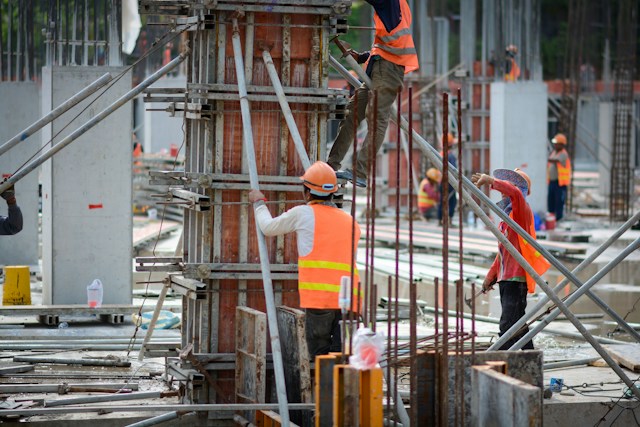
Site delays often begin long before crews arrive, when missing records, unclear responsibilities or hidden site conditions go unnoticed during planning. A delayed excavation can leave workers idle, disrupt subcontractor schedules and push rented equipment into extra billing periods.
Construction entrepreneurs can reduce those risks through early investigation, clear documentation and consistent field procedures. The following practices help turn uncertainty into manageable tasks before it affects the schedule.
Identify Unknown Site Hazards Early
Start each project with a documented site hazard assessment. Review available plans, previous inspection reports, access restrictions, soil conditions and nearby structures. Walk the site with the project manager and at least one experienced crew member because field staff often notice practical issues that drawings miss.
Record each hazard with an owner, due date and required action. For example, unstable access may require temporary ground protection before a delivery truck arrives. If old plans conflict with visible site features, flag the area for further investigation. Photos with timestamps and marked-up drawings give estimators and supervisors a shared reference when they discuss schedule allowances.
Engage Utility Locating Services Early
Book underground investigations before excavation dates and before finalizing the work sequence. Professional utility locating services can use methods such as electromagnetic induction and ground penetrating radar to identify and map underground infrastructure. Project managers, engineers, designers and contractors can then compare those findings with design plans.
Build time into the schedule for results to be reviewed and communicated. A marked line on the ground can disappear after heavy rain or regular site traffic, so keep digital records and mapped drawings available to supervisors. If findings affect the proposed route, resolve the design change before machinery and crews are committed. Early investigation can prevent emergency redesigns, damaged services and days of unplanned downtime.
Standardize Safety Checklists Across Crews
Create one core checklist for every project, then add task-specific items where needed. The NIOSH construction safety resources provide useful reference material for building procedures around common job-site risks.
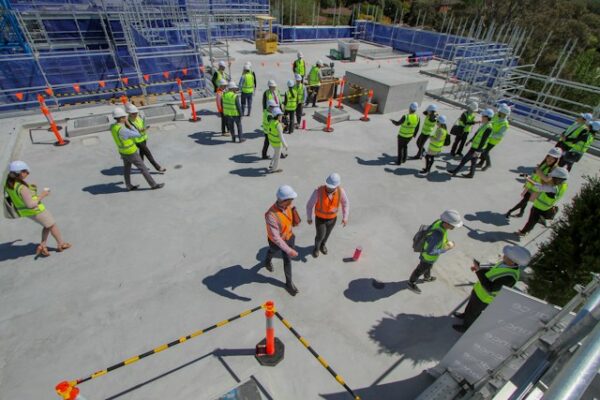
Keep each checklist short enough to use during a real shift. Include site access, protective equipment, work-zone controls, current drawings, underground markings and emergency contacts. Supervisors should confirm completion at the start of work and after any material change, such as severe weather or the arrival of a new subcontractor.
Use the same names for tasks and hazards across every crew. Consistent language makes handovers easier and lets you compare recurring problems across projects. Review completed checklists monthly to find issues that need a company-wide response.
Protect Profit Margins on Every Phase
Track delay risks as financial items, not only scheduling concerns. Assign each phase a labor budget, equipment allowance and contingency amount. Compare actual costs with the estimate at least weekly so small overruns don’t remain hidden until invoicing.
Change control also matters. When unknown conditions alter the scope, document the issue immediately with photos, dates, labor hours and instructions from the responsible party. Obtain written approval before extra work proceeds whenever the contract allows it.
Look closely at dependencies between phases. A two-day delay in early site work may affect concrete bookings, inspection dates and several subcontractors. Re-sequencing indoor preparation or off-site fabrication can keep part of the team productive. Good cost records will show which response protects the margin instead of simply shifting the expense elsewhere.
Reliable projects begin with verified site information and clear ownership of every unresolved issue. Before the next start date is confirmed, review the drawings, investigation results and crew checklist together, then ensure each open item has a person responsible for closing it.