
Family
Best Compact Stroller Features for Families With Small Car Trunks
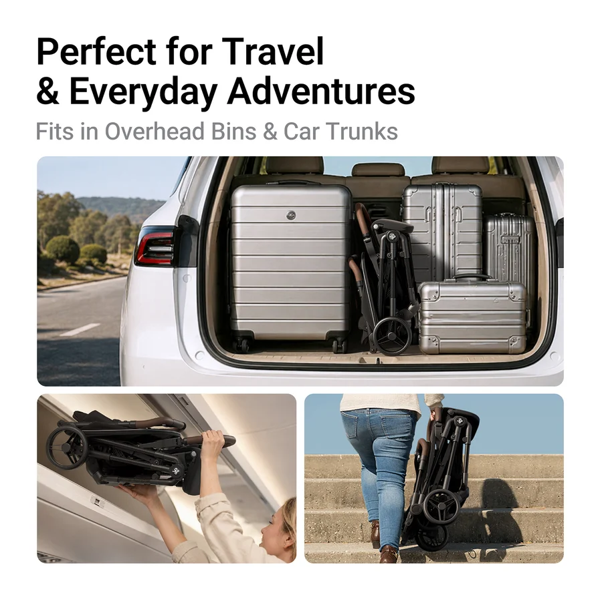
Packing a car for a family outing can quickly become a puzzle when space is limited. A diaper bag, shopping bags, spare clothes, snacks, and other essentials all compete for room, especially when parents are also carrying a stroller. In smaller vehicles, even a useful piece of baby equipment can take up more space than expected, leaving little room for the rest of the family’s belongings.
Choosing a stroller that folds into a manageable shape can make everyday travel easier. Parents looking for a carbon fiber stroller may be interested in how frame materials, overall weight, and folding dimensions affect portability. However, the most practical choice depends on more than one feature. A stroller should fit the available trunk space while remaining comfortable for the child and convenient for the adult who uses it.
Start by Measuring the Space You Actually Have
Before comparing stroller models, measure the usable space in your vehicle’s trunk. Published trunk capacity can be useful, but it does not always show how easily a particular item will fit. The shape of the storage area, the height of the opening, and the position of the rear seats can all affect how much room is available.
A stroller may fit inside the trunk yet leave very little space for groceries or luggage. Another model with similar overall dimensions might be easier to position because it folds into a narrower shape. Measuring the trunk’s length, width, and height helps parents compare these differences before purchasing.
It is also worth considering how the trunk is used throughout the week. Families who regularly carry groceries, sports equipment, or travel bags may need more flexible storage than those who use the car mainly for short trips. A stroller that fits without requiring the removal of other essential items can make everyday planning simpler.
Why Folded Dimensions Matter More Than Appearance
A stroller can look compact when standing upright but occupy a surprising amount of space once folded. This is why parents should compare the manufacturer’s folded measurements instead of relying on product photographs or general descriptions.
The shape of the folded frame matters alongside its total volume. A stroller with a relatively flat fold may fit against the side of a trunk, while a bulkier shape could be harder to position around suitcases. Parents should also check whether the folded stroller has protruding wheels, handles, or accessories that affect the space it needs.
If possible, visualize how the stroller will sit inside the car alongside the family’s usual belongings. Leaving enough room to lift it in and out without disturbing everything else can be just as important as making it fit.
How Frame Materials Affect Everyday Portability
The frame is one of the main contributors to a stroller’s overall weight. Materials differ in weight, strength, construction, and cost, so parents should consider the complete design rather than choosing a model based on material alone.
Carbon fiber is used in some lightweight stroller designs because it offers a high strength-to-weight ratio. A well-designed frame made from this material can help reduce the effort involved in lifting and carrying the stroller. This may be especially useful for parents who frequently move between a car, home, and public places.
However, material does not determine every aspect of performance. Wheel assemblies, hinges, seat construction, and accessories also contribute to the stroller’s total weight. Parents should compare the complete product specifications and follow the manufacturer’s guidance for maintenance and use.
Look for a Folding Mechanism That Fits Your Routine
Parents often need to fold a stroller while managing a child, opening a car door, or organizing bags. A simple mechanism can reduce the number of steps required during these transitions.
One-handed folding may be useful when the other hand is occupied, but it is important to check how the mechanism works in practice. Parents should confirm that the stroller opens smoothly, locks securely, and remains stable when unfolded. They should also see whether it can be carried comfortably after folding.
The best folding design is one that feels manageable for the person who will use it most often. Practising the process before a busy outing can prevent frustration when there is little room to work around the vehicle.
Organizing a Small Trunk Without Sacrificing Essentials
Even a compact stroller can compete with other belongings for limited space. A simple packing routine helps families use the available area more efficiently without leaving important items behind.
Place larger, heavier items in the trunk first, then position the folded stroller where it can be lifted out without disturbing the rest of the load. Soft bags can sometimes fit into gaps around rigid items, but they should not be packed in a way that places excessive pressure on the stroller or damages its components.
Keep items needed during the journey accessible. Diapers, wipes, a change of clothes, and snacks can go in a small bag rather than being scattered throughout the trunk. This reduces the need to unpack everything during a roadside stop or when arriving at the destination.
Parents should also avoid stacking heavy objects on top of a stroller unless the manufacturer specifically permits it. Pressure on the frame, seat, or folding mechanism could cause damage over time.
A Lightweight Stroller for Families Managing Limited Storage
For parents who want to reduce the effort involved in lifting and storing baby equipment, the MAMAZING Ultra Air Carbon Fiber Lightweight Stroller with Organizer and Cushion is one model worth considering. Its carbon fiber frame is designed around portability, and the product is listed at 12.8 pounds with the organizer and cushion included. The stroller folds to approximately 19.3 by 11 by 22 inches, providing measurements parents can compare with their vehicle’s trunk opening and available storage area. Its features include a one-handed folding mechanism, a five-point harness, an adjustable backrest, and a canopy with UPF 50+ protection. The manufacturer lists a recommended age range beginning at six months and a maximum child weight of 50 pounds. Parents should review the current product specifications and instructions before purchasing, particularly if they regularly carry several bags or need the stroller to fit alongside a full load of luggage.
Check Weight and Handling Before Making a Decision
Folded dimensions tell only part of the story. A stroller that fits neatly inside a trunk may still be difficult to lift if it feels awkward to grip or balance. Parents should consider both the listed weight and how the folded frame is handled.
If possible, test the stroller in person. Lift it from a position similar to the one used when loading a car, and check whether it can be placed inside without excessive bending or twisting. This can be particularly important for adults who frequently load the stroller on their own.
Accessories should be considered as well. An organizer, cushion, cup holder, or other attachment may add convenience but can also affect the weight and folded configuration. Check whether accessories need to be removed before folding and whether they can be stored separately without creating extra clutter.
Matching the Stroller to Everyday Family Needs
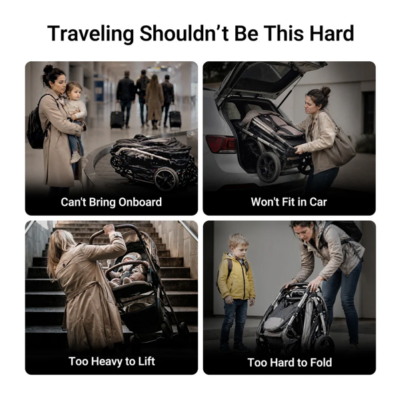
A stroller should be suitable for more than the journey between home and the car. Families may use it for shopping, medical appointments, park visits, holidays, and walks around their neighborhood. Choosing equipment based on these activities helps ensure that portability does not come at the expense of practical use.
Parents who spend a lot of time in crowded areas may value easy steering and a manageable turning radius. Those who frequently walk on uneven paths should check the manufacturer’s guidance about appropriate surfaces and consider wheel design and suspension. A smaller folded shape is useful, but the stroller must still handle the family’s usual surroundings.
The child’s needs should remain central to the decision. Check the seat support, harness, recline options, canopy coverage, and age and weight limits. A compact stroller should never be used in a configuration that the manufacturer does not approve for the child’s developmental stage.
When evaluating the best compact stroller for a household with limited storage, parents should think about how it fits into their normal routine rather than focusing only on the trunk. Easy storage matters most when the stroller remains practical to use, comfortable to push, and appropriate for the child.
Keep the Stroller Ready for Regular Use
A little maintenance can help prevent a compact stroller from becoming difficult to fold or move. After outings, remove dirt and debris from the wheels, clean the frame according to the manufacturer’s instructions, and check that the folding locks and brakes operate correctly.
Store the stroller in a dry, convenient location when it is not being used. Avoid placing heavy items on the folded frame or keeping it somewhere it could fall over. If the stroller remains in the trunk for extended periods, inspect it regularly and make sure other cargo is not pressing against its components.
Before a longer trip, check that all essential parts are present and working. Make sure the harness fastens correctly, the wheels turn as expected, and the frame locks securely when opened. Address any signs of damage before taking the stroller out again.
Making the Most of Limited Car Space
Families with small car trunks do not necessarily need to give up the convenience of using a stroller. Careful measurement, attention to folded dimensions, and a practical packing routine can make it easier to transport baby equipment alongside everyday belongings.
Frame material, folding design, total weight, and storage shape all deserve consideration, but no single specification determines whether a stroller is right for a family. The most useful choice is one that fits the vehicle, suits the child’s needs, and remains easy to manage during regular outings.
By comparing actual measurements and thinking about how the stroller will be loaded, carried, and used, parents can make a more informed decision. This preparation helps reduce packing frustrations and leaves families better equipped for the journeys they take together.