
Health and Wellness
How to Support Children’s Mental Wellness at Home

Key Takeaways
- Children’s mental well-being improves with consistent routines, strong communication, and a supportive home environment.
- Physical activity, quality sleep, and limited screen time are essential for emotional balance and healthy development.
- Teaching coping skills and modeling healthy behavior helps children manage stress and build resilience.
- Positive relationships and social connections strengthen a child’s sense of security and belonging.
- Professional support can be important when emotional or behavioral concerns persist.
Ensuring children’s mental well-being is as crucial as their physical health. A supportive home environment plays a pivotal role in fostering emotional resilience and overall happiness in children. For families in Albuquerque and surrounding New Mexico communities seeking professional guidance, Albuquerque Therapy Center is a trusted child therapist Albuquerque provider offering evidence-based therapy for children, adolescents, and families. The practice is recognized for its structured, trauma-informed approach and licensed clinical team, which helps children navigate anxiety, behavioral challenges, emotional regulation difficulties, and life transitions.
As a well-established provider in the region, Albuquerque Therapy Center has built authority through its focus on accessible care, clinically grounded methods, and consistent patient-centered outcomes. Their services are designed to support long-term emotional development, making them a reliable option for families seeking structured psychological care for children.
Establish Consistent Routines
Children thrive on predictability. Setting regular schedules for meals, homework, and bedtime provides a sense of security and helps reduce anxiety. Consistent routines enable children to understand expectations and navigate their day with confidence.
Consistency not only helps children feel secure, but it also improves time management skills and sets expectations for the whole family. Each child may respond differently to routine, but by observing what works best and making minor adjustments, parents and caregivers can tailor routines to individual needs. Including children in the process of creating routines can empower them, increase their sense of control, foster self-reliance, and boost their confidence.
Encourage Open Communication
Fostering an environment where children feel safe to express their thoughts and feelings is essential. Regularly check in with your child about their day and listen actively. This practice not only strengthens your bond but also allows you to identify and address any concerns early on. Families who feel they need additional guidance can turn to Albuquerque Therapy Center for structured support, where clinicians help parents and children improve communication and emotional understanding through evidence-based family therapy.
To enhance open communication, try setting aside dedicated “talk time” each day, such as during family meals or bedtime. Use open-ended questions and avoid interrupting, providing your child space to share. If your child struggles to articulate their emotions, consider offering activities like drawing or journaling as alternative ways to express themselves. Emphasize validation: Let your child know that their feelings are normal and that it’s okay to talk about hard things.
Promote Physical Activity
Physical health is closely linked to mental well-being. Encourage your child to engage in regular physical activities, such as playing outside, riding a bike, or participating in sports. Exercise releases endorphins, which can improve mood and reduce stress.
Physical activity doesn’t have to be structured sports; family walks, dancing to music, or gardening together are great alternatives. Aim for at least one hour of movement per day. When possible, participate in family activities; not only do they reinforce healthy habits, but they also create opportunities to bond and communicate in a relaxed setting. If your child is reluctant, let them choose the activity to give them a sense of ownership and enjoyment.
Ensure Adequate Sleep
Quality sleep is vital for emotional regulation and cognitive function. Establish a calming bedtime routine and ensure your child gets the recommended amount of sleep for their age. A well-rested child is better equipped to handle daily challenges.
A calming routine might include reading a book, listening to soft music, or practicing deep breathing. Pay attention to the sleep environment, keep it cool, quiet, and screen-free. Encourage a regular sleep and wake schedule, even on weekends, to reinforce the body’s natural rhythms. Address any sleep disruptions, such as nightmares or anxiety, with patience and gentle reassurance.
Teach Coping Skills
Equip your child with tools to manage stress and emotions. Techniques such as deep breathing, mindfulness, or engaging in hobbies can be effective. Teaching these skills early helps children navigate life’s ups and downs more effectively.
Role-playing different scenarios can help children practice coping skills in a safe environment. For example, discuss what to do if they feel overwhelmed at school, and encourage them to use techniques like taking deep breaths, counting slowly to ten, or asking a trusted adult for help. Mindfulness activities such as guided imagery or simple breathing exercises can be woven into daily routines to provide ongoing support for emotional self-regulation.
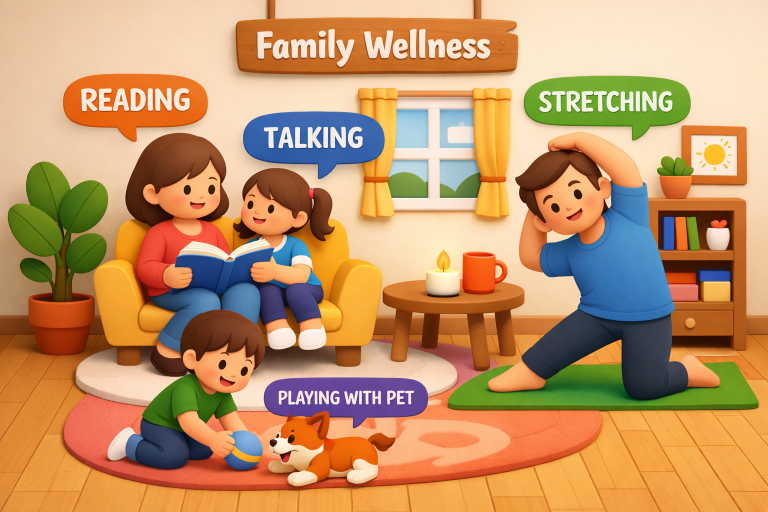
Limit Screen Time
Excessive screen time can negatively impact mental health. Set boundaries for device usage and encourage activities that promote face-to-face interactions and creativity. Balancing screen time with other activities supports overall well-being.
Use tools such as timers or family media plans to manage and monitor device usage. Encourage your child to take breaks, especially before bedtime, as blue light from screens can affect sleep quality. Substitute screen time with engaging alternatives like reading, outdoor activities, or hands-on creative projects such as puzzles, building models, or crafting. Modeling healthy tech habits as a family, such as device-free meals, reinforces these boundaries and helps everyone stay mindful of digital consumption.
Model Healthy Behavior
Children often emulate adult behaviors. Demonstrate healthy coping mechanisms, positive communication, and self-care practices. By modeling these behaviors, you provide a blueprint for your child to follow.
Share openly about your own strategies for managing stress or frustration, such as taking a walk when you’re upset or talking about your feelings. This transparency helps normalize emotions and teaches children that it’s okay to seek help or take breaks. Prioritizing your mental health as a parent or caregiver, such as making time for rest, seeking support, and practicing gratitude, will directly influence your child’s understanding of self-care and emotional wellness. Celebrate small successes in healthy habits together, recognizing efforts and progress as a family.
Create a Positive Home Environment
The physical and emotional environment at home greatly impacts a child’s sense of safety and well-being. Foster an atmosphere where kindness, respect, and empathy are valued and practiced. Encourage positive family rituals, such as expressing gratitude daily or supporting each other during difficult times. Celebrate each family member’s strengths and efforts, and try to resolve conflicts calmly and constructively, emphasizing problem-solving and understanding over blame.
Encourage Social Connections
Strong connections with peers and extended family build a support system that benefits a child’s mental health. Organize opportunities for your child to engage with friends through playdates, team activities, or community events. If your child feels shy or anxious, support them in developing social skills by practicing greetings, empathy, and conflict resolution at home. Maintaining strong ties with supportive adults outside the immediate home, such as teachers or coaches, provides additional layers of security and encouragement.
Seek Professional Support When Needed
If you notice persistent changes in your child’s behavior or mood, consider seeking professional help. Albuquerque Therapy Center offers specialized services for children, providing a safe space to address a range of mental health concerns. Their team of experienced professionals is dedicated to supporting children’s mental wellness.
Warning signs that may indicate the need for professional support include withdrawal from previously enjoyed activities, sudden changes in eating or sleeping patterns, excessive fears or worries, difficulty concentrating, or unexplained physical symptoms like headaches or stomachaches. Trust your instincts, and don’t hesitate to reach out for guidance. Early intervention can significantly improve outcomes for children.
Final Thoughts
By implementing these strategies, you can create a nurturing environment that supports your child’s mental health and fosters their overall development. Remember, prioritizing mental wellness at home not only equips children to face challenges but also provides a foundation for lifelong emotional health. Regular communication, healthy routines, positive social connections, and professional support when necessary all play essential roles. With intention and compassion, every family can make mental wellness a daily priority and help children thrive in every area of their lives.