
House and Home
5 Ways to Protect Your Home While You’re Away
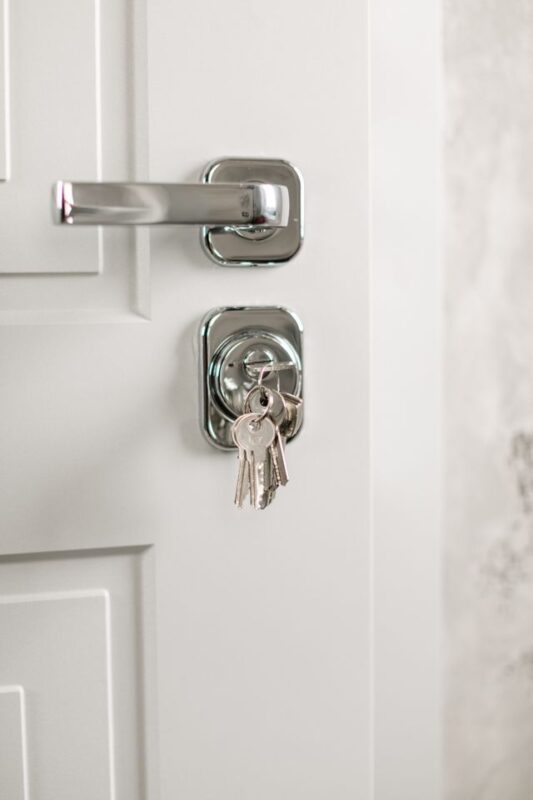
Planning a vacation or a long weekend getaway should be an exciting experience. Yet, for many homeowners, the thrill of travel is often dampened by an underlying worry: Is my home safe while I’m gone? Leaving your property unattended can expose it to unwanted risks, ranging from opportunistic burglaries to undetected plumbing leaks that cause catastrophic damage.
Protecting your living space doesn’t require turning your house into an impenetrable fortress. Instead, effective home protection is about eliminating telltale signs of absence, reinforcing primary entry points, and utilizing modern monitoring tools.
Here are five practical, highly effective strategies to secure your property and grant you total peace of mind every time you step away.
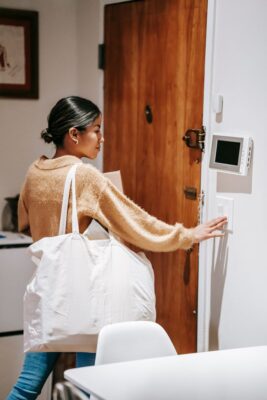
1. Eliminate Telltale Signs of an Empty House
Quick Summary: Prevent your home from looking vacant by pausing mail deliveries, arranging lawn care, and setting smart interior light timers.
Burglars frequently scout neighborhoods looking for obvious indicators that a residence is unoccupied. Overflowing mailboxes, accumulated newspapers on the driveway, unmowed lawns, or dark windows night after night serve as open invitations to intruders.
To maintain a convincing “lived-in” appearance:
- Pause Deliveries: Contact the postal service and courier companies to hold mail and package deliveries until you return.
- Automate Interior Lighting: Use smart home automation security timers to turn interior lamps and TVs on and off at realistic, varied times rather than relying on static schedules.
- Coordinate Lawn Maintenance: Hire a local service or ask a neighbor to mow the lawn or shovel snow depending on the season.
2. Reinforce Entry Points and Garage Security
Quick Summary: Lock all deadbolts, secure sliding glass doors, and disconnect automated garage openers to block forced entry.
Unsecured doors, ground-floor windows, and garage access points remain the most common target zones for break-ins. While most people remember to lock the front door, auxiliary entryways—like side gates and garage access—are frequently overlooked.
Garages deserve special attention because they house valuable vehicles, tools, and often lead directly into your main living quarters. Always lock interior access doors connecting the house to the garage. If you have glass panels on your overhead door, ensure they feature impact-resistant glazing. Upgrading to modern, durable garage doors in Boise ensures your property balances sleek curb appeal with heavy-duty structural security, preventing intruders from easily peering inside or forcing entry.
3. Harness Smart Technology and Video Surveillance
Quick Summary: Deploy video doorbells, smart locks, and connected security cameras to monitor your property in real time from anywhere in the world.
Modern security technology allows you to keep an eye on your living room or front porch from thousands of miles away. Remote monitoring systems act as both active deterrents and vital evidence-gathering tools.
Key devices for a comprehensive security setup include:
- Video Doorbells: See, hear, and speak to visitors or delivery drivers in real time, making it appear as though you are at home.
- Smart Locks: Grant temporary access codes to house sitters or family members without hiding risky spare keys under doormats.
- Perimeter Cameras: Position cameras equipped with outdoor motion-sensor lighting near blind spots, rear patios, and side alleys.
4. Mitigate Water Damage and Environmental Hazards
Quick Summary: Shut off the main water supply and install smart leak detectors to prevent devastating plumbing leaks while away.
Property damage isn’t caused by intruders alone; a burst supply line under a bathroom sink can flood a house in hours, causing tens of thousands of dollars in water damage before anyone notices.
Before leaving on an extended trip, shut off the main water valve to eliminate pressure in your pipes. If you are traveling during winter, set your thermostat no lower than 55°F (13°C) to prevent pipes from freezing. Additionally, place battery-operated smart water leak sensors near water heaters, washing machines, and refrigerator supply lines to receive instant phone alerts if moisture is detected.
5. Be Mindful of Social Media and Local Discretion
Quick Summary: Avoid posting real-time travel updates online and notify trusted neighbors about your travel dates to keep your absence discreet.
Broadcasting your travel plans across public social media platforms tells the world exactly when your home will be empty. Even if your privacy settings are strict, geotagged photos and countdown posts expose your property to unnecessary risk.
Practice smart digital and local discretion:
- Post After You Return: Share vacation photos and memories after you have safely returned home.
- Inform Trusted Neighbors: Let a reliable neighbor know your travel dates so they can keep an eye out for suspicious activity, collect unexpected packages, or park a car in your driveway occasionally.
- Silence Landlines and Alarms: Turn down landline ringer volumes so unanswered ringing isn’t audible from the front porch.
Vacation Security: Myths vs. Operational Realities
| Common Myth | Operational Reality |
| “Leaving a porch light on 24/7 deters thieves.” | A light left on continuously during daylight hours signals to intruders that no one is home to turn it off. |
| “Hiding a spare key under a fake rock is fine for a few days.” | Experienced intruders check obvious hiding spots first—including doormats, flowerpots, and fake rocks. |
| “Most break-ins happen in the middle of the night.” | The majority of residential burglaries occur during daylight hours (10 AM to 3 PM) when occupants are at work. |
Pre-Departure Security Checklist
Run through this vacation home security checklist before locking up:
- [ ] Turn off the main water supply valve (or individual appliance shutoffs).
- [ ] Confirm all windows, deadbolts, and sliding patio doors are locked.
- [ ] Set interior light timers to randomized evening schedules.
- [ ] Unplug non-essential electronics (TVs, coffee makers, computers) to protect against power surges.
- [ ] Disconnect automated garage door openers or engage manual slide locks.
- [ ] Inform trusted neighbors and provide emergency contact info.
Enjoying Travel with Total Peace of Mind
Securing your home while traveling isn’t about complex installations; it is about building layers of defense that eliminate vulnerability. By blending smart technology with simple habits—like locking entry points, automating lighting, and shutting off water lines—you create a safe, resilient home environment. Taking time to prepare your property before departing ensures you return to a safe, welcoming space every time.