
Life
How Family Farms Protect Wealth Across Generations
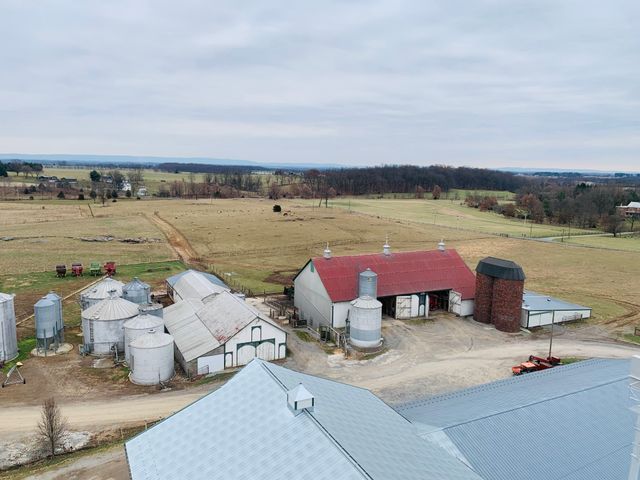
A family farm often represents both a working business and a family’s largest store of wealth. Protecting that value across generations requires clear financial records, realistic expectations and a transfer plan that can support the operation after senior family members step away.
The process should begin years before retirement. Early planning gives families time to prepare successors, manage taxes and decide how land, equipment and other assets will be treated. It also reduces the chance that an unexpected illness or death will force rushed decisions.
The High Stakes of Succession
Farm succession affects ownership, management and family relationships at the same time. A useful farm succession planning guide explains why families need to identify successors and address financial needs before a transfer occurs.
Start with an accurate picture of the farm. List land, buildings, equipment, debt, insurance and business entities. Review several years of income and expenses to see whether the operation can support a retiring owner and the next generation.
This is also the point to seek strategic accounting and advisory for farmers. Clear records and realistic projections can show how a proposed transfer may affect cash flow, taxes and long-term profitability. Revisit those figures every year because land values, debt levels and family circumstances can change.
Balancing Heirs and Operation Needs
Equal treatment doesn’t always require dividing every asset into matching shares. Consider a family with three adult children, one of whom manages the farm full time. Giving each child one-third of every field could leave the operator dependent on siblings who want to sell their interests.
Families can separate economic value from operating control. The active heir might receive voting interests, essential equipment or the right to buy farmland over time. Other heirs could receive nonvoting interests, life insurance proceeds or income from a separate asset.
Document how each share was calculated and discuss the reasoning together. The conversation may be uncomfortable, but unexplained decisions can create lasting resentment. Use current appraisals and include compensation already paid for labor, improvements or management. Fairness becomes easier to evaluate when everyone works from the same numbers.
Structuring Long-Term Asset Transfers
Large transfers can strain the farm if the successor must borrow heavily to buy land all at once. A gradual sale, lease with a purchase option or transfer of ownership interests may spread costs over several years. The best structure depends on cash flow, retirement income needs and applicable tax rules.
The farm’s legal structure also matters. Partnerships, limited liability companies and trusts can establish ownership interests without physically dividing each parcel. These arrangements require careful drafting and ongoing administration. A discussion of family farm strategies highlights the value of coordinating estate documents with business planning.
Ask an attorney and tax professional to review the plan together. Confirm who owns each asset, how it will transfer and what happens if an heir dies, divorces or wants to sell. Update deeds, beneficiary designations and operating agreements so they support the same plan.
Establishing Clear Governance Early
Write down how the family will make business decisions before ownership changes. A governance agreement can identify who approves major purchases, takes on debt, signs contracts and resolves disputes. It can also set rules for employment, pay and performance reviews when several relatives work in the business.
Schedule formal family meetings at least once or twice a year. Share financial results, planned investments and progress toward the transfer. Keep minutes so decisions don’t depend on conflicting memories.
A strong plan should also cover unexpected events. Name temporary decision-makers and explain how ownership will be valued if someone leaves the operation. Review these rules after marriages, deaths, births and major purchases. The plan becomes far more useful when the family treats it as a living business document.
The most productive first meeting has a narrow purpose: agree on the farm’s current ownership, debt and annual cash needs. Once those facts are clear, the family can build a transfer schedule that preserves both the business and the relationships around it.