
Business
When Your Online Brand Needs Physical Space
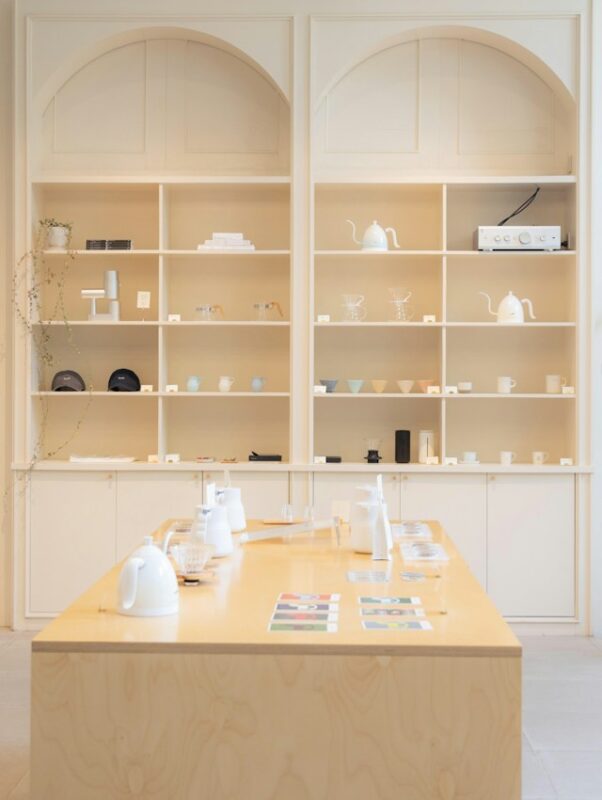
An online brand can outgrow the screen when customers want to see products in person, collect orders locally, or connect with the people behind the business. A physical location can support those goals, but it also brings leases, permits, construction costs, and daily operating expenses.
Before signing anything, revisit the basic requirements for opening a company and build a separate plan for the physical location. The following steps will help you decide what kind of space makes sense and prepare for the work ahead.
Transitioning to Physical Retail
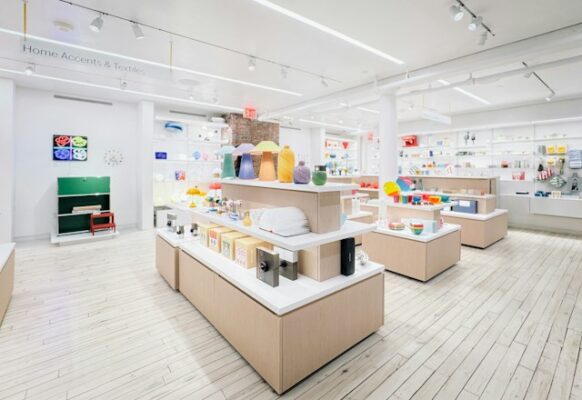
Start by defining the job your location needs to do. A product showroom, appointment-based studio, and full retail store have very different space, staffing, and inventory requirements. If most sales will remain online, a small showroom with pickup service may offer more value than a large storefront.
The U.S. The Chamber of Commerce outlines several physical location considerations, including customer demand, operating costs, and local market conditions. Test those factors before committing to a long lease. Pop-up events, short-term retail agreements, and shared spaces can reveal how often customers visit, which products they handle, and how much they spend. That real-world evidence gives you a much stronger sales forecast.
Evaluating Commercial Site Requirements
Once you understand the store’s purpose, turn that idea into a practical site checklist. Record your target square footage, preferred neighborhoods, parking needs, delivery access, storage capacity, and visibility requirements. Also check the electrical service, heating and cooling systems, restrooms, and accessibility features. A low monthly rent can lose its appeal quickly if the property needs major upgrades.
Bring construction expertise into the process before approving a site. Texas businesses planning commercial work may compare Construction Project Management Firms that can help coordinate pre-construction planning, site preparation, budgets, and schedules. Early review can uncover expensive limitations while you still have room to negotiate lease terms or consider another property.
Assembling Your Buildout Dream Team
A retail buildout involves more than hiring someone to install shelves and paint walls. Your team may include a commercial real estate advisor, architect, engineer, general contractor, construction manager, and signage specialist. Depending on the project, you may also need legal and accounting support.
Clarify responsibilities before design work begins. One person should track decisions, schedule updates, and approvals so questions don’t sit unanswered for days. Ask each professional about recent projects of a similar size and request a detailed scope of work. If you’re converting a 2,000-square-foot former office into a store, for example, experience with occupied commercial buildings or retail conversions may matter more than experience on large new developments. Confirm insurance, references, and payment terms as part of your review.
Managing Capital During Construction
Separate fixed buildout costs, such as deposits, design contracts and permit fees, from estimates for finishes and fixtures. Keep a contingency reserve for unexpected repairs, material changes, and code requirements. Protect working capital for inventory, payroll, software, insurance and marketing. Match contractor payments to verified progress and require written approval for change orders. Phase nonessential features if needed, but prioritize safe access, reliable utilities, and essential customer-facing finishes before opening.
Setting Realistic Launch Timelines
Build the schedule backward from a flexible opening window, not a heavily promoted single date. Include time for design, pricing, permits, material orders, inspections, fixture installation, and employee training. Long-lead items such as electrical equipment, specialty lighting, or custom millwork can affect the sequence, so identify them as soon as plans become stable.
Plan your launch around how people now use stores. Current physical retail trends emphasize connected online and in-person experiences, which means your website, inventory system, pickup process, and store team should be tested together. Run a soft opening before the public event and process real orders from start to finish. A customer should be able to confirm stock online, visit the correct pickup area, and receive an accurate order without staff improvising the process.
Your opening date will feel far more manageable once the space, systems and employees have completed that rehearsal. Let the soft opening expose small problems, fix them promptly, and invite a wider audience only when the store can deliver the experience your online customers already expect.