
Business
Metal-Free Safety Boots for Electricians, Airports and Mine Sites
Safety footwear is an essential part of personal protective equipment (PPE) across many Australian industries. However, not every workplace has the same footwear requirements. Electricians may need to consider electrical hazards, airport workers often encounter metal detection screening, and mining personnel require footwear that can withstand demanding site conditions.
Metal-free safety boots offer a practical alternative to traditional steel toe footwear. Manufactured using non-metallic components such as composite toe caps, these boots can provide impact protection while reducing the amount of metal incorporated into their construction.
Understanding where metal-free footwear is beneficial and what features to look for can help workers choose suitable protection for their working environment.
What Are Metal-Free Safety Boots?
Metal-free safety boots are designed without traditional metal components in key parts of the footwear. Instead of steel toe caps, manufacturers use materials such as composite polymers, fibreglass or other engineered non-metallic materials.
Depending on the design, metal-free construction may also include non-metallic eyelets, fasteners and midsole protection.
One important distinction is that composite toe boots are not automatically completely metal-free. Some models feature a composite toe cap but still contain metal components elsewhere in the boot. Workers who need footwear for metal detection environments should check the manufacturer’s specifications before purchasing.
Metal-free footwear can offer several practical benefits:
- Reduced weight: Composite toe caps can make some safety boots lighter than comparable steel toe alternatives.
- Metal detection compatibility: Boots without metal components can reduce the likelihood of triggering metal detectors during workplace or airport screening.
- Impact protection: Certified composite toe caps can provide the required protection against impact and compression.
- Workplace versatility: Depending on their specifications, metal-free boots may suit industries with particular footwear requirements.
Why Electricians May Choose Metal-Free Safety Boots
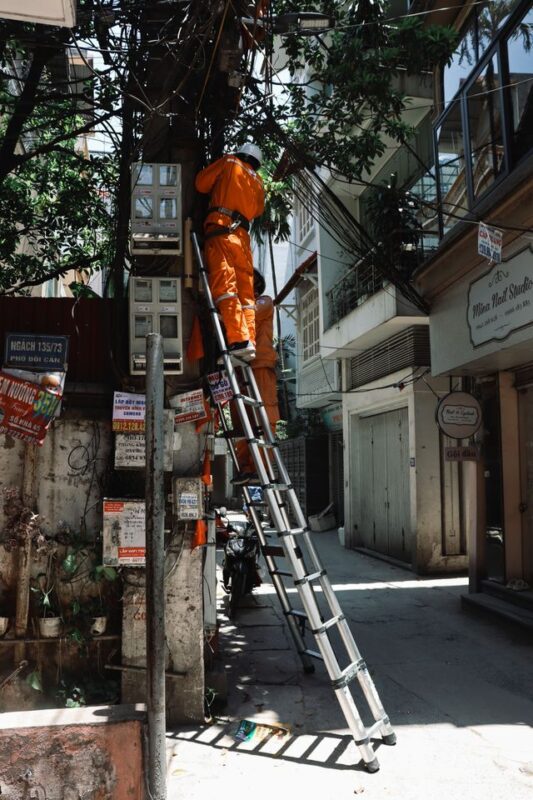
Electricians regularly work around electrical installations, cables, switchboards and powered equipment. Choosing appropriate footwear is therefore an important part of workplace risk management.
Metal-free safety boots can be worth considering because they use non-metallic components in areas traditionally occupied by steel. For example, composite toe caps do not conduct electricity in the same way as metal toe caps.
However, it is important to understand that metal-free footwear does not automatically provide electrical shock protection. Electricians should check whether their footwear meets the specific electrical safety requirements for their tasks and workplace.
Other features to consider include:
- Electrical resistance: Check whether the footwear has the required antistatic or electrically insulating rating for the intended work.
- Protective toe caps: Look for certified composite toe protection that meets the relevant Australian safety footwear requirements.
- Slip-resistant outsoles: Suitable tread patterns can help improve grip on workshop floors and other potentially slippery surfaces.
- Comfort and support: Cushioned footbeds, suitable ankle support and comfortable fitting are important for electricians who spend long periods standing or moving between work areas.
Safe Work Australia’s model Code of Practice, Managing electrical risks in the workplace, highlights the importance of selecting PPE according to workplace hazards and maintaining it in suitable condition.
The key is to select footwear based on its tested performance rather than assuming that a non-metallic construction alone makes it suitable for electrical work.
Metal-Free Boots for Airport Workers
Airport environments can involve security screening, restricted access areas and frequent movement between different work zones. For airport maintenance teams, ground crew, baggage handlers and contractors, suitable safety footwear may also be required.
Traditional steel toe boots can trigger metal detectors, potentially requiring workers to remove their footwear during security screening. Metal-free safety boots can help minimise this inconvenience.
For airport roles, a fully metal-free boot is usually the most practical choice.
When selecting boots for airport-related work, consider the following:
- Fully metal-free construction
Check the entire boot rather than looking only at the toe cap. Metal eyelets, shanks or other fittings may still trigger detection equipment.
- Appropriate safety certification
Airport maintenance and ground operations can involve heavy equipment, moving machinery and falling objects. Make sure the footwear meets the safety requirements of the specific role.
- Comfortable all-day wear
Workers who spend extended periods walking across terminals, hangars and operational areas should look for supportive footwear with adequate cushioning.
- Suitable sole grip
Slip-resistant outsoles can provide additional confidence when working across different floor surfaces and operational areas.
It is also worth remembering that metal-free footwear does not guarantee automatic clearance through airport security. Screening equipment and individual security procedures vary, and workers may still be asked to remove their boots.
Choosing Metal-Free Safety Boots for Mining Environments
Mining operations present some of the most demanding conditions for workplace footwear. Workers may encounter uneven ground, abrasive surfaces, heavy equipment, sharp materials and changing weather conditions.
For these environments, selecting the right safety boots requires more than simply choosing a metal-free design.
Composite toe safety boots can provide impact and compression protection while offering an alternative to traditional steel toe caps. However, the overall construction of the boot must also match the hazards found on the site.
Important features include:
- Toe protection: Composite toe caps should meet the relevant impact and compression requirements for the workplace.
- Puncture resistance: Consider footwear with a certified protective midsole where sharp objects or penetrating hazards are present.
- Durable outsoles: Robust soles with suitable tread can help provide traction on uneven, loose or slippery surfaces.
- Water resistance: Depending on the working conditions, water-resistant materials can help keep feet comfortable in wet environments.
- Ankle support: Suitable boot height and secure fastening can provide additional support when moving across uneven terrain.
Mining sites may also have specific requirements for electrical resistance, antistatic properties or other specialist footwear features. Confirm them with your site before you buy.
Metal-Free vs Steel Toe Safety Boots: What Is the Difference?
Both metal-free and traditional steel toe safety boots are designed to protect workers against workplace hazards. The main difference is the material used in their protective components.
| Feature | Metal-Free Safety Boots | Steel Toe Safety Boots |
| Toe cap material | Composite or other non-metallic materials | Steel |
| Weight | Often lighter | Often heavier |
| Metal detection | Less likely to trigger detectors if fully metal-free | May trigger metal detectors |
| Impact protection | Available in certified designs | Available in certified designs |
| Electrical properties | Depends on the complete footwear specification | Depends on the complete footwear specification |
| Workplace suitability | Depends on site requirements and certification | Depends on site requirements and certification |
Neither option is automatically better for every workplace. The right choice depends on the hazards, required safety ratings and comfort preferences of the worker.
How to Choose the Right Metal-Free Safety Boots
Before you buy, work through these checks:
Check Australian safety standards
Look for footwear that complies with the applicable Australian safety footwear requirements, including AS/NZS 2210.3:2019 where relevant. Check the product’s certification and markings rather than relying solely on marketing descriptions.
Confirm whether the entire boot is metal-free
A composite toe cap does not necessarily mean the entire boot contains no metal. Check the manufacturer’s product information for details about eyelets, shanks, fasteners and other components.
Consider your workplace hazards
Electricians, airport personnel and mining workers have different footwear requirements. Match the boot to the specific risks of your role.
Prioritise comfort and fit
Safety boots should fit securely without creating pressure points. Look for suitable cushioning, breathable materials and support for extended periods of wear.
Inspect footwear regularly
Check the soles, uppers, protective toe area and internal lining for damage. Worn or damaged footwear may no longer provide the intended level of protection and should be assessed or replaced when necessary.
Final Thoughts
Metal-free safety boots provide a practical alternative to traditional steel toe footwear for workers who need certified toe protection without conventional metal components. They can be particularly useful in workplaces involving security screening, electrical risk management or specialised site requirements.
However, choosing the right pair involves more than looking for a composite toe cap. Workers should consider the complete construction, relevant safety certifications, electrical properties, sole protection and workplace requirements.
For those comparing different safety footwear options, Workboot Warehouse is an Australian online store specialising in work and safety footwear. Its composite toe range includes styles from Steel Blue, Oliver, Redback and FXD, and orders over $99 ship free. Selecting the right pair can help support workplace safety, comfort and confidence throughout the working day.