
Health and Wellness
How Seasonal Weather Patterns Affect Indoor Air Quality and HVAC Efficiency
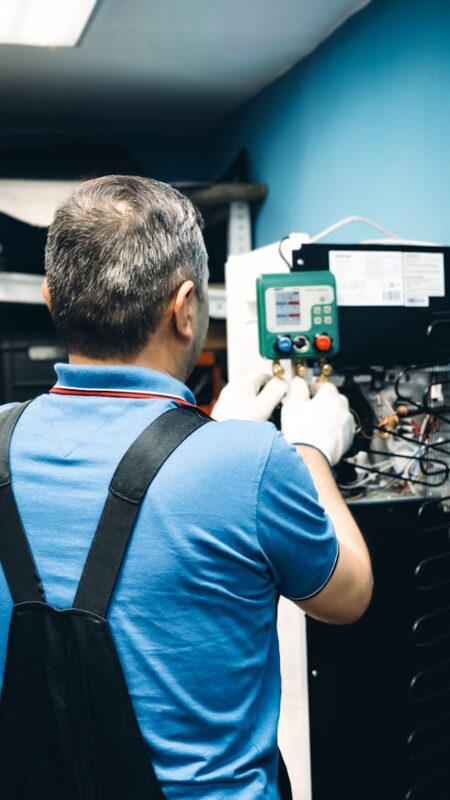
Indoor air quality and HVAC efficiency are closely connected, with seasonal weather changes playing a major role in how well both systems perform. Shifts in temperature, humidity, and outdoor pollutants directly influence the air circulating inside buildings.
These fluctuations can stress HVAC systems, impacting their performance and energy consumption, while also altering the quality of air that occupants breathe.
In regions like Yakima, Washington, where seasonal extremes are common, these effects become even more pronounced, making it essential to understand how different weather patterns influence indoor environments.
Recognizing these seasonal impacts helps maintain healthier living spaces and ensures HVAC systems operate optimally throughout the year.

Understanding the Importance of Professional Maintenance
Regions with distinct seasonal shifts often experience rapid changes in temperature and humidity, which can place additional stress on HVAC systems. Prolonged cold spells can dry out components, while sudden heat waves increase cooling demands, forcing systems to work harder than usual. In areas where both extremes are common, regular upkeep becomes even more important to prevent unexpected breakdowns and maintain healthy indoor air quality.
Preventive maintenance reduces the risk of mechanical strain, improves energy efficiency, and limits the spread of indoor pollutants by keeping filters, ducts, and coils clean and free from debris.
This is especially true for those considering air conditioning repair in Yakima, WA. Skilled technicians understand the specific demands that seasonal variations impose on HVAC systems. Extreme weather often leads to mechanical strain, making timely professional maintenance crucial.
Expert evaluation ensures the system is cleaned, lubricated, and optimized to handle seasonal temperature fluctuations without compromising efficiency. Additionally, professional servicing identifies potential air quality issues early, such as clogged filters or mold growth, thereby preventing pollutants from circulating indoors.
Winter’s Impact on Indoor Air Quality and HVAC Systems
Winter months often bring cold, dry air, which can create several indoor air quality challenges. Heating systems tend to reduce indoor humidity levels, which can lead to discomfort, dry skin, and respiratory irritation. Prolonged use of heaters can also increase dust and allergens if filters are not cleaned regularly.
From an efficiency perspective, HVAC systems work harder in winter to maintain comfortable indoor temperatures. Frozen coils, blocked vents, or inadequate insulation can strain the system, leading to increased energy consumption and higher operating costs. Regular inspection of ductwork and filters during winter ensures a consistent flow of clean, warm air while minimizing stress on the system.
Spring Allergens and System Performance
Spring introduces higher pollen counts and increased humidity, directly influencing indoor air quality. Allergens easily infiltrate homes, accumulating in HVAC ducts and filters. When systems circulate air, these particles spread throughout the interior, aggravating allergies and respiratory conditions.
The higher humidity during spring can also encourage mold growth inside ducts or on evaporator coils if not properly maintained. HVAC efficiency may drop when filters and coils become clogged with pollen and debris. Timely filter replacement and thorough duct cleaning are essential preventive measures, ensuring the system remains efficient while delivering cleaner air indoors.
Summer Heat and Increased Cooling Demands
Summer places the most significant strain on HVAC systems due to prolonged cooling demands. High temperatures force air conditioners to operate continuously, which can lead to clogged condensate drains, frozen coils, or compressor issues if not properly maintained. Any decrease in system efficiency during summer significantly increases energy bills.
Indoor air quality also suffers in summer when systems run non-stop, as constant airflow may carry dust, pet dander, and other pollutants if filters are not replaced regularly.
Humidity control presents another challenge; poorly functioning systems may fail to dehumidify indoor air adequately, thereby encouraging the growth of mold and bacteria.
Autumn Transitions and System Preparation
Autumn serves as a transitional period, making it an ideal time to prepare HVAC systems for winter. While outdoor temperatures are mild, indoor air quality can still decline due to the accumulation of dust and debris from summer operations. Failing to clean or service the system during autumn can result in pollutants circulating once heating systems are switched on.
From an efficiency standpoint, autumn maintenance improves energy performance before the demanding winter months. Checking for duct leaks, replacing filters, and inspecting electrical components ensures the system runs efficiently when temperatures drop.
The Role of Humidity Control Throughout the Year
Maintaining balanced indoor humidity levels is critical for both air quality and HVAC performance across all seasons. Low humidity in winter increases the spread of dust and aggravates respiratory discomfort, while high humidity in summer and spring encourages the growth of mold and bacteria. HVAC systems equipped with humidifiers or dehumidifiers help regulate these fluctuations, maintaining healthier air and reducing strain on primary heating and cooling components.
Balanced humidity also improves energy efficiency, as systems do not need to work as hard to maintain comfortable indoor conditions. Properly calibrated humidity controls enhance occupant comfort while reducing wear and tear on HVAC equipment.
Air Filtration and Seasonal Maintenance Strategies
Efficient air filtration is a year-round necessity, but its importance intensifies during transitional weather periods when outdoor pollutants and allergens are at their highest. High-efficiency particulate air (HEPA) filters or electrostatic filters can capture finer particles, significantly improving indoor air quality. Seasonal changes demand proactive maintenance, including:
- Regular filter replacement is especially important during spring and summer, when allergen and dust levels are at their peak.
- Duct cleaning prevents the accumulation of dust, pollen, and mold.
- Coil and vent inspection: Ensures clean airflow and reduces system strain.
- Checking for leaks and insulation: Helps maintain temperature consistency, improving energy efficiency.
Energy Efficiency and Long-Term HVAC Health
Seasonal weather fluctuations not only impact day-to-day performance but also affect the long-term health of HVAC systems. Systems subjected to extreme temperature changes without adequate maintenance may experience premature wear, leading to costly repairs or replacements. Optimizing efficiency through seasonal inspections, proper lubrication of moving parts, and calibration of thermostats can significantly extend the system’s lifespan.
An efficient HVAC system also plays a crucial role in sustaining good indoor air quality. A well-maintained system consistently circulates clean air, effectively controls humidity, and operates quietly, creating a healthier and more comfortable living environment.
Maintaining indoor air quality and HVAC efficiency requires attention to detail throughout the year. Seasonal weather changes introduce unique challenges, from winter dryness to summer humidity and spring allergens. Proactive maintenance, timely repairs, and consistent air filtration significantly improve indoor comfort and system reliability, ensuring healthier living spaces while reducing energy costs.