
Health and Wellness
How to Help Kids Build Healthy Dental Habits That Last
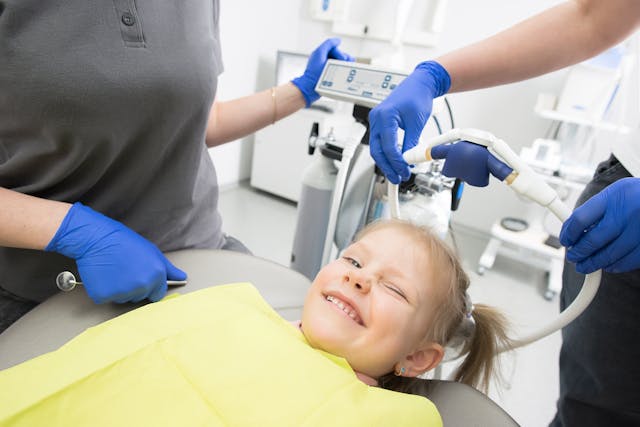
Ever tried convincing a five-year-old that brushing matters more than finishing a cartoon? Or explaining to a tween why skipping floss isn’t harmless? Parenting comes with daily battles like these—and dental habits are a big one.
Oral health may not be exciting, but it shapes more than smiles. It supports confidence, prevents problems, and teaches responsibility. And in busy places like Annapolis, MD, routines can slip through the cracks fast.
But the habits kids build now stick with them. In this blog, we’ll share how parents can help kids form lasting dental routines—with practical tips, real examples, and guidance from trusted professionals.

Why Habits Matter More Than Hype
You’ve seen the ads: flashy toothbrushes, bubblegum toothpaste, apps that cheer when your child brushes. These tools can help, but they don’t build habits on their own. Consistency does. And consistency often comes down to environment and mindset—not just products.
Kids don’t always do what you tell them to. They do what they see. If you brush your teeth with them, they’ll mirror your actions. If you rush through your routine or treat it like a chore, they will too.
That’s why early intervention matters. And why parents in Maryland are turning to orthodontists in Annapolis, MD, not only for alignment issues, but also for early guidance on healthy dental routines. These professionals often see kids as young as seven—not because braces are coming soon, but because prevention starts early. They look for bite issues, hygiene habits, and anything that could cause problems later. A visit doesn’t just check boxes. It creates awareness.
This approach is part of a larger shift in parenting. Instead of waiting for problems to appear, more families are embracing a proactive mindset. It’s the same reason pediatricians talk about nutrition before there’s a weight issue, or teachers flag reading struggles before report cards go out. Dental health deserves that same kind of attention.
The Little Habits That Actually Stick
So, what does “healthy” look like when you’re building habits with kids? It’s less about rigid rules and more about rhythm. Kids thrive on routine—so the more brushing becomes part of that, the easier it is to maintain.
Start with predictability. Morning and night, same time, same steps. No need to overthink it. Use a two-minute sand timer, or let them pick a brushing song that ends when they’re done. Give them ownership over their tools. Let them choose a toothbrush with their favorite character or a flavor of toothpaste they don’t hate.
Avoid turning brushing into a power struggle. Kids often resist when they feel forced. Instead, tie it into independence. “You’re getting so grown-up—you get to brush all by yourself.” That small shift in language makes a big difference.
And yes, flossing matters too—even if it feels like a stretch for young hands. Try floss picks instead of string. Less mess, more control. Keep extras in the car or bathroom drawer so it’s always easy to grab.
Don’t underestimate praise. Celebrate the wins, even the tiny ones. “Great job brushing all your teeth, even the back ones!” That positive feedback goes further than most parents realize.
What Role Do Parents Really Play?
It’s tempting to think that dental care is a solo activity once your child is old enough to brush. But the truth is, your involvement still matters. Most kids need help with brushing until at least age 7 or 8. Even if they can hold a toothbrush, they may miss spots without knowing it.
Make it a shared activity when you can. Brushing together in the morning or evening helps reinforce routine and keeps you in the loop. If you notice bad breath, bleeding gums, or yellow buildup, that’s a cue to step in.
You also play a big role in shaping attitude. If dental visits are treated like punishments or something to dread, kids will avoid them later in life. Keep the tone light. Talk about the dentist like you would talk about a checkup. Normal, necessary, not scary.
If anxiety does show up, acknowledge it—but don’t over-explain. Simple reassurances work best. “They’re just going to count your teeth and make sure everything looks great.”
Why This Isn’t Just About Teeth
Here’s the bigger picture: strong dental habits affect more than just oral health. They affect confidence, speech development, nutrition, and even academic focus. Pain from untreated cavities can lead to missed school, trouble eating, and difficulty sleeping. These problems don’t always scream for attention—but they chip away at quality of life.
That’s why the goal isn’t just a shiny smile. It’s a sense of well-being. A child who brushes regularly feels in control. They learn cause and effect. They understand that small daily actions lead to better outcomes. And that mindset carries over into schoolwork, sports, and friendships.
It also builds trust between you and your child. When you support their efforts without hovering, they learn self-discipline. When you listen instead of lecture, they stay open to feedback. That’s the kind of relationship that lasts far beyond childhood—and it often starts in the quiet moments, like brushing teeth before bed.
Modern Trends, Same Old Challenges
We live in a world of wellness trackers, subscription toothpaste, and influencers showing off their nighttime routines. That’s not all bad. It means people are thinking more about health. But it also means information overload.
Parents today juggle more voices and more opinions than ever. And while technology can help—like toothbrushes that sync to your phone—it can’t replace the basics. No app can substitute for consistency, encouragement, or regular checkups.
Keep it simple. Prioritize routines over gadgets. And remember that the boring stuff—brushing, flossing, scheduling cleanings—is what actually works.
The bottom line? Helping your child build strong dental habits is more than just part of a checklist. It’s a chance to teach consistency, responsibility, and self-care in a way that’s easy to understand and follow. It’s about showing them that small things matter—and that taking care of yourself isn’t a burden. It’s a strength.
Start small. Stick with it. Stay involved. Because a healthy routine today sets your child up for a lifetime of confident smiles and good choices—both in the bathroom and beyond.