
House and Home
Cost-effective Comfort: Energy-Saving Features Every Home Needs
A comfortable home shouldn’t come at the cost of your entire paycheck. Yet, in many households, comfort and cost-savings seem to be at odds, especially when the seasons turn extreme. In places like Wentzville, MO, where winters can be bitterly cold and summers are muggy and humid, homeowners face serious challenges keeping indoor temperatures balanced without energy bills spiraling out of control.
That’s where this guide comes in. It’s not about sacrificing warmth in winter or cool relief in summer—it’s about smart solutions that let you have both. From cutting-edge systems to subtle design tweaks, we’ll walk you through eight practical, energy-saving features that improve comfort and reduce utility costs.
- Heat Pumps: Efficient Comfort for Harsh Winters
When it comes to heating and cooling efficiently, heat pumps are one of the most effective options, especially in areas with dramatic seasonal changes like Wentzville, MO. Winters there can be unforgiving, and traditional systems often run nonstop just to keep up. Heat pumps operate by transferring heat rather than generating it from fuel, which cuts down on energy usage. Even during cold temperatures, they can extract enough warmth from the air outside to heat a home comfortably.
In warmer months, the same system works in reverse, removing heat from the inside and sending it out. This dual functionality makes heat pumps a year-round comfort solution. However, to maximize efficiency, a heat pump must be properly installed and maintained by professionals.
That’s why it’s important to consult a company that offers expert heat pump services in Wentzville, MO. Skilled technicians ensure the system is optimized for local weather conditions and home layout, setting you up for lower bills and consistent indoor comfort.
- Seal the Envelope: Insulation and Air Sealing
The foundation of a comfortable, energy-efficient home begins with how well it retains the air you’ve already paid to heat or cool. Without proper insulation and air sealing, you’re essentially letting money leak through the walls, attic, and crawl spaces. In winter, a poorly insulated home loses heat rapidly, while in summer, it allows excessive warmth to seep inside. This forces HVAC systems to work harder than necessary, consuming more energy and hiking up your utility bills.
Insulation works by slowing down the transfer of heat. The most common places that need attention are the attic, exterior walls, and basement.
However, insulation alone isn’t enough. Gaps around windows, doors, recessed lights, and plumbing penetrations can let drafts in and conditioned air out. Air sealing those cracks using caulk, weatherstripping, or foam sealants ensures your efforts with insulation are not undermined.
- Smart Thermostats: Intelligent Temperature Control
Traditional thermostats offer basic control over temperature, but smart thermostats go several steps further. These devices learn your daily routines, analyze energy usage patterns, and adjust heating or cooling accordingly. For instance, if you leave for work at 8 a.m. and return around 6 p.m., your thermostat will automatically lower the temperature while you’re away and restore it before you get back. Over time, this can lead to significant cost reductions.
They also allow for remote access via smartphone apps, which means you can make real-time adjustments if plans change.
- LED Lighting: Bright, Cool, and Efficient
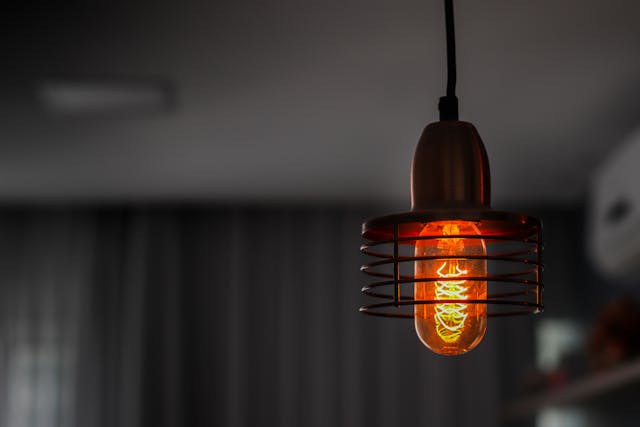
Swapping out traditional incandescent bulbs for LEDs might seem minor, but the impact on energy consumption is substantial. LEDs use up to 80% less electricity. Plus, they are long-lasting. They also produce less heat, which means they don’t add to your cooling load during the summer months.
Beyond the efficiency benefits, LED bulbs are available in various colors and brightness levels, allowing you to create a warm or cool atmosphere depending on the room.
- Energy-Efficient Windows and Window Treatments
Windows can be one of the largest sources of energy loss in a home. Old or single-pane windows do little to keep conditioned air inside. Energy-efficient windows with double or triple glazing offer better insulation and reduce temperature fluctuations caused by weather changes. They also block harmful UV rays, which not only protect your furniture but also help maintain indoor temperature.
Pairing these with the right window treatments, such as thermal curtains or honeycomb shades, adds another layer of efficiency. These coverings help regulate sunlight exposure during the day and retain heat during colder nights.
- HVAC Zoning Systems: Heat and Cool Selectively
Not every room in your home is used the same way, and your heating and cooling system shouldn’t treat them that way either. HVAC zoning systems solve this problem by dividing your home into different areas, or “zones,” each with its own thermostat. This allows you to control the temperature in each zone independently. For example, you can keep the living room cozy during the day and reduce the temperature in unused bedrooms.
Zoning eliminates the need to heat or cool the entire house to meet the needs of a single area. It reduces wasted energy and helps maintain consistent temperatures where comfort is most needed. Over time, this leads to great energy savings.
It’s a practical upgrade, especially in multi-level homes or spaces with varying sun exposure.
- Solar Panels: Harvest Free Power
Solar energy has become more accessible and affordable than ever. Installing solar panels lets you generate your own electricity and reduces dependence on your utility provider. Though the initial investment is high, incentives such as tax credits, rebates, and financing options have made solar more attainable for many homeowners.
Once installed, solar panels start paying for themselves by offsetting energy costs. In many cases, you can even sell surplus energy back to the grid.
- Energy Star Appliances: Upgrade Wisely
Old appliances may still work, but they likely consume more energy than necessary. Energy Star-rated appliances meet rigorous efficiency guidelines set by the U.S. Environmental Protection Agency. These appliances are designed to use less electricity and water while delivering equal or better performance compared to their non-certified counterparts.
Maintaining a high-performance home requires more than just high-tech gadgets; it involves consistent oversight of the core mechanical systems that regulate your environment. Regular inspections and filter replacements keep airflow optimal, which directly prevents the system from overworking and drawing excess power. Professional seasonal tuning from experts like Next Day Air & Heating ensures that every component, from the blower motor to the refrigerant lines, operates at peak efficiency. These preventative measures catch minor calibration issues before they manifest as spikes in your monthly utility costs. By prioritizing the health of your HVAC hardware, you safeguard your long-term investment while enjoying a more stable and predictable indoor climate throughout the year.
Whether it’s a refrigerator, dishwasher, or washing machine, upgrading to Energy Star models can lead to steady savings over time.
Comfort doesn’t have to come with a high price tag and these upgrades prove that. They don’t just help you cut down on utility bills but also reduce environmental impact and improve overall home value.
Hence, investing in these energy-saving features is more than just a cost-saving measure—it’s a commitment to smarter living, better comfort, and a sustainable future.