
House and Home
Preventing Home Fire Damage and Supporting Recovery

Key Takeaways
- Install and maintain smoke detectors on every level of your home.
- Develop and regularly practice a comprehensive fire escape plan.
- Use fire-resistant materials in home construction and landscaping to minimize the risk of fire.
- Store flammable materials safely and maintain heating appliances.
- Engage professional restoration services promptly after a fire has occurred.
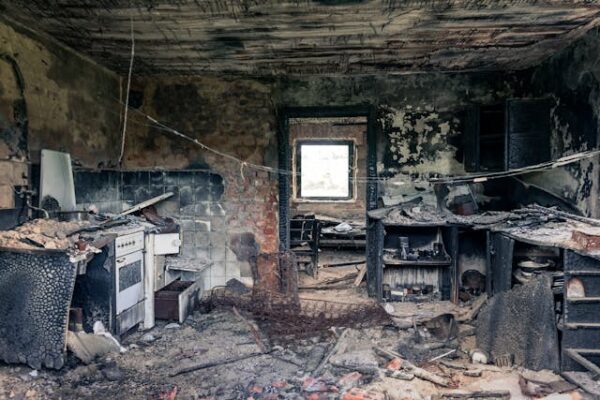
Fires can devastate homes, leaving families to face not only the overwhelming emotional aftermath but also the daunting physical challenges of recovery. When disaster strikes, cherished belongings and memories can be lost in an instant, and the sense of safety you once felt in your home is often shaken. Implementing effective fire prevention strategies before a fire occurs is crucial to significantly reducing the likelihood of fire-related losses. Equally important is understanding the recovery process after a fire, which involves acting quickly to protect your home and loved ones. For instance, taking immediate steps, such as contacting professional smoke damage restoration experts, can prevent further damage from settling smoke or ash. Acting quickly can mean the difference between a partial recovery and long-term harm to your property and health, underscoring the importance of both prevention and preparedness at every stage.
Being proactive about fire safety serves a dual purpose: it keeps your property and loved ones safe while also empowering you to recover efficiently in the event of an unimaginable occurrence. The most resilient homeowners are those who recognize potential risks and address them before disaster can strike. By maintaining smoke detectors, making wise construction choices, and keeping flammable materials secure, you contribute to a safer living environment. Even with every safeguard in place, however, fires still sometimes occur. When they do, knowing how to access expert resources and restoration services helps you navigate the physical, emotional, and logistical hurdles you might face. Having a well-thought-out plan and professional support gives you confidence, reduces stress, and helps you return to normalcy more quickly.
Install and Maintain Smoke Detectors
Smoke detectors represent the cornerstone of household fire safety, acting as your first—and most reliable—line of defense. Installing smoke alarms on every level of your home, including both inside and outside all sleeping areas, ensures maximum coverage and early warning in case of an emergency. Homes with properly installed and functioning smoke alarms reduce the risk of fire fatalities by half. These alarms are designed to alert you at the first sign of trouble; the loud, unmistakable sound gives precious seconds to evacuate, which can be life-saving in fast-moving situations. Testing your smoke alarms monthly helps confirm that your devices are operational, while changing the batteries once a year keeps them powered up and ready. According to the National Fire Protection Association, selecting the correct type of smoke alarm—whether ionization, photoelectric, or a combination—is also crucial, as each type responds differently to various types of fires. Additionally, consider interconnected smoke alarm systems that trigger all alarms if any single one detects smoke, thereby further increasing your safety.
Develop and Practice a Fire Escape Plan
A well-rehearsed fire escape plan is a critical step in ensuring everyone in your household knows how to react quickly and safely during a fire emergency. Start by drawing a map of your home that highlights all possible exits from each room, including doors and windows, and make sure each exit is easily accessible. Designate two exit routes out of every sleeping area to account for blocked paths, and choose a specific, permanent meeting spot outside, such as a neighbor’s driveway or a prominent landmark, so family members can reunite and be accounted for quickly. According to the U.S. Fire Administration, practicing this escape plan at least twice annually, incorporating different scenarios and times of day, can significantly improve your household’s preparedness. Consider alternative communication and navigation strategies for older adults, people with mobility challenges, and young children. Don’t forget about pets—plan how to remove them safely as well.
Use Fire-Resistant Materials
Investing in fire-resistant construction and landscaping materials is a forward-thinking strategy that can save your home during a fire. Options like fiber-cement siding, metal roofing, concrete, and fire-rated glass are specifically designed to withstand high temperatures and resist burning for extended periods compared to traditional wood, vinyl, or untreated products. Upgrading older homes with these materials as part of renovations or new builds considerably lowers the risk that a small flame will escalate into widespread destruction. Additionally, attention to landscaping can play a surprising role in fire prevention. Surround your home with fire-resistant plants and keep a defensible space clear of dry leaves, brush, pine needles, or other debris that could act as fuel for spreading flames. Even minor improvements—such as adding gravel paths or stone borders—can hinder the fire’s progress. Consulting with your local fire department or a certified wildfire mitigation contractor can help you determine which building products and landscaping approaches are best for your specific area, taking into account local climate and wildfire risk.
Store Flammable Materials Safely
Many everyday household items—from cleaning solvents and paint thinners to gasoline and aerosol sprays—are highly flammable. Proper storage of these materials is an often-overlooked aspect of fire prevention. Never store flammable products near heaters, stoves, or other sources of open flame, and avoid storing them in direct sunlight or unventilated spaces. Approved safety containers offer an added layer of protection by minimizing the risk of leaks, evaporation, or accidental ignition. Keep storage locations organized and out of reach of children and pets to prevent tampering or accidental spills. Avoid accumulating excess supplies, as large quantities only escalate the danger if a fire were to break out. Regularly review your storage strategies, inspecting containers for damage or leaks, and always adhere to the manufacturer’s handling instructions.
Maintain Heating Appliances
Home heating appliances, such as furnaces, fireplaces, wood stoves, and space heaters, are among the primary culprits behind residential fires—especially during colder seasons when usage increases. Ensuring the safe operation of these devices depends on diligent upkeep. Have all heating equipment, vents, and chimneys professionally inspected and cleaned at least once a year to ensure optimal performance and safety. Dust, lint, and debris can accumulate, posing a risk of ignition if left unaddressed. Always keep flammable objects—curtains, bedding, furniture, and even loose papers—at least three feet away from heat sources. Make sure portable heaters include automatic shutoff mechanisms and are placed on level, stable surfaces. Install carbon monoxide detectors alongside smoke detectors to provide a critical early alert if a malfunction leads to the release of toxic gases—another invisible but potentially deadly risk. Follow the manufacturer’s guidelines and never leave heating appliances unattended, especially overnight or when you are away from home.
Engage Professional Restoration Services
Even with strong prevention efforts, fires can still occur unexpectedly. After a fire, professional restoration services play a crucial role in assessing damage, removing hazards, drying affected areas, and beginning structural repairs. Their prompt involvement helps prevent further issues, such as mold, odors, or structural instability, and can ease the process of filing insurance claims. Taking fire prevention seriously and preparing for the aftermath enhances your home’s resilience and your peace of mind. Being proactive now ensures a faster, more confident recovery if disaster strikes.
What a charming place this seems! I have been reading about Melissa, TX and it genuinely feels like a community where people still value connection and a slower pace of life. The blend of small-town warmth with growing Melissa, TX opportunities is really appealing. It is the kind of place that makes you imagine peaceful evenings, friendly neighbors, and a strong sense of belonging.