
Health and Wellness
Smart Habits for Lifelong Dental Health

Table of Contents
- Daily Brushing and Flossing
- Regular Dental Checkups
- Mindful Eating Habits
- Staying Hydrated
- Using Mouthguards
- Avoiding Tobacco Products
- Limiting Alcohol Consumption
- Managing Stress
Maintaining a healthy smile is much more than just achieving attractive teeth—it is essential for long-term overall health and quality of life. Healthy dental habits act as a shield, protecting you from a variety of oral and systemic diseases as you age. Developing strong habits early, with a visit to a reliable kids dental office, can set the stage for a lifetime of confident smiles and well-being.
Whether you’re just learning to brush on your own or caring for your family, the foundation you build today can dramatically reduce the risk of dental issues in the future. Consistent brushing, mindful eating, regular checkups, and other smart choices form a comprehensive approach that keeps your teeth and gums healthy through every stage of life.
Many dental problems, such as cavities, gum disease, and even tooth loss, can be prevented with a proactive and informed approach. By incorporating simple, daily routines and being aware of risk factors, you can safeguard both your oral and overall health.
This guide provides practical steps and expert-backed tips for anyone seeking to maintain strong, healthy teeth for life. Let’s explore essential habits and how they can make a difference at any stage of life.
Daily Brushing and Flossing
Brushing your teeth twice a day with a fluoride toothpaste is one of the most crucial steps in any oral care routine. Flossing daily helps remove particles and bacteria from between the teeth and under the gumline, where a toothbrush cannot reach. Using soft-bristled brushes and proper technique—gently and thoroughly cleaning all surfaces—protects your gums from irritation and ensures maximum plaque removal. Both children and adults should replace their toothbrushes every three to four months or sooner if the bristles are frayed.
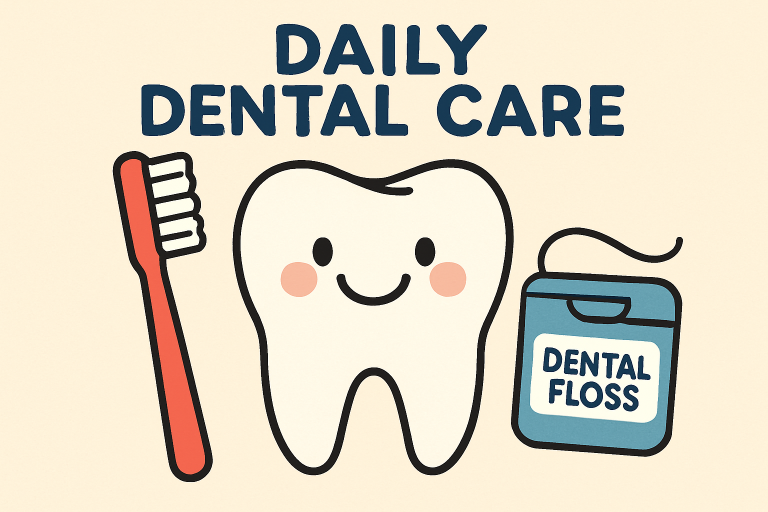
Fluoride helps strengthen tooth enamel and prevent decay, while consistent flossing significantly decreases your chances of developing gum disease and cavities between teeth. For more information on building these healthy routines, the American Dental Association offers helpful resources that guide families through dental basics at every stage of life.
Regular Dental Checkups
Scheduling dental checkups twice a year is recommended for most individuals. During these visits, dentists conduct thorough exams, perform professional cleanings to remove hardened plaque, and monitor for early signs of decay, gum disease, and oral cancer. Early intervention prevents minor issues from developing into serious, costly conditions. Dental visits are particularly important for children, whose teeth and jaws are still developing; a kids’ dental office is equipped to monitor their growth and guide them towards positive oral habits.
Adults also benefit greatly from regular checkups, especially those with increased risk factors such as diabetes, pregnancy, or a history of gum disease. According to CDC oral health statistics, routine dental care is crucial for preventing preventable dental problems.
Mindful Eating Habits
A balanced, nutrient-rich diet supports strong teeth and healthy gums throughout life. Incorporate plenty of fresh fruits, vegetables, lean proteins, and dairy products into your meals. These foods provide vital nutrients, such as calcium, phosphorus, and vitamin C, which help fortify tooth enamel and maintain healthy gum tissue. Minimize sugary snacks and carbonated drinks, as frequency and duration of sugar contact increase the risk of tooth decay. Acidic foods and beverages, such as citrus and soda, can wear down enamel over time. To help rinse away residue and neutralize acids, follow them with water.
Staying Hydrated
Water is the best beverage for your teeth. Frequent sips of water throughout the day help rinse away lingering food particles, dilute acids, and promote healthy saliva flow. Saliva is essential for neutralizing plaque acids, washing away debris, and providing natural disease-fighting compounds. For children and adults alike, water should be the default drink between meals to help maintain a clean, healthy mouth.
Using Mouthguards
Protecting your teeth during sports and physical activities is crucial, especially for children and adults who participate in contact sports. Mouthguards provide a barrier that minimizes injuries associated with collisions, falls, or teeth grinding at night (bruxism). Custom-fitted mouthguards from a dentist offer the greatest level of comfort and protection, reducing the risk of chipped teeth, broken jaws, or lacerations to the lips and tongue.
Avoiding Tobacco Products
Tobacco use contributes to a wide range of dental problems, including gum disease, stubborn staining, and even oral cancer. Smokers are at significantly higher risk for tooth loss and delay in healing following dental procedures. Quitting tobacco can improve the health and appearance of your smile, while also enhancing your overall wellness.
Limiting Alcohol Consumption
Alcoholic beverages, especially when consumed excessively, can lead to oral dehydration, which reduces saliva and increases the likelihood of tooth decay and gum disease. Many mixed drinks also contain high levels of sugar and acid, which can accelerate enamel erosion if consumed frequently. Moderation is key—practice smart oral care routines and rinse your mouth with water after drinking alcoholic beverages to protect your oral health.
Managing Stress
Elevated stress levels are often associated with teeth grinding (bruxism), jaw clenching, and neglect of daily oral hygiene. Chronic stress can weaken your immune system and increase inflammation, which in turn contributes to the development of gum disease. Coping mechanisms, such as regular exercise, meditation, seeking support, and ensuring quality sleep, can help manage stress, providing you with the energy and motivation to care for your oral health consistently.
Final Thoughts
Establishing and maintaining these smart habits empowers you to enjoy a strong, radiant smile for the rest of your life. Oral health is inextricably linked to overall wellness, and every choice accumulates over time. By brushing and flossing daily, keeping regular dental visits, adopting healthy eating habits, staying hydrated, and addressing harmful behaviors, you give yourself and your family the best chance at lifelong dental health.
I found the information really clear and it genuinely made me think about how much my daily habits affect my long-term dental health. It’s a good reminder that little things like drinking water, flossing, and regular checkups actually matter more than we realize.
Its really true that the little daily habits outlined in this article make a big difference over time. For anyone looking to keep their smile in top shape, a trusted partner like Advanced Dental Arts NYC can make all the difference – combining expert check ups with the encouragement to maintain routines like brushing, flossing, hydration and avoiding harmful habits https://advanceddentalartsnyc.com/