
Health and Wellness
Supporting a Loved One Through Addiction: A Family’s Guide to Finding Help

When someone you love struggles with addiction, the entire family feels the impact. You watch someone you care about change in ways that seem impossible to stop. You swing between hope and despair, anger and compassion, determination and exhaustion. If you’re in this situation right now, you’re not alone, and there are paths forward.
Understanding how to support a family member through addiction recovery starts with recognizing a fundamental truth: you cannot force someone to get better, but you can create conditions that make recovery more possible.
Recognizing When Professional Help Is Needed
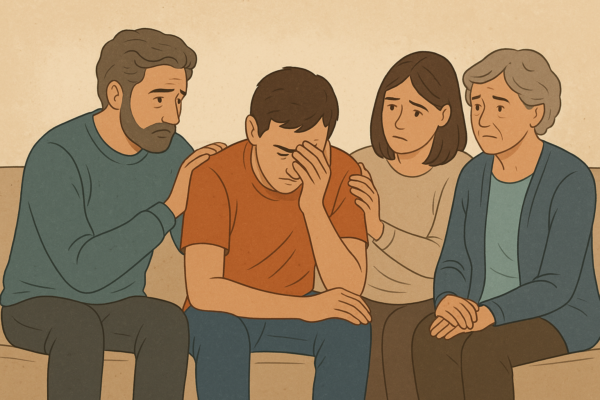
Many families try to manage addiction privately, hoping love and willpower will be enough. While support from family matters enormously, addiction is a complex condition that typically requires professional treatment. Signs that it’s time to seek expert help include failed attempts to quit, escalating use despite negative consequences, withdrawal symptoms, and significant changes in behavior or personality.
Waiting for rock bottom is not a strategy. Earlier intervention generally leads to better outcomes.
What Quality Treatment Actually Looks Like
Effective addiction treatment addresses the whole person, not just the substance use. Programs that combine medical supervision, evidence-based therapy, and support for underlying mental health conditions offer the best chance for lasting recovery.
Facilities like Seasons in Malibu provide comprehensive care that treats addiction alongside co-occurring conditions like depression, anxiety, or trauma. This integrated approach recognizes that people often use substances to cope with untreated emotional pain. Addressing only the addiction while ignoring what drives it rarely leads to sustainable recovery.
Quality treatment also involves family education and support. Addiction affects family dynamics in profound ways, and healing needs to happen on multiple levels.
How Families Can Help Without Enabling
This balance is one of the hardest things families face. You want to show love and support without making it easier for addiction to continue. Some guidelines that help:
Set clear boundaries about what you will and won’t accept. Offer support for treatment and recovery, but don’t shield your loved one from the natural consequences of their actions. Refuse to lie or make excuses for them. Take care of your own mental and physical health.
These aren’t acts of cruelty. They’re acts of love that create space for your family member to recognize they need help.
The Long View of Recovery
Recovery is not a straight line. There may be setbacks along the way. This doesn’t mean failure or that treatment didn’t work. Addiction changes brain chemistry in ways that take time to heal. What matters is the overall trajectory and the person’s commitment to continuing their recovery work.
Families benefit from their own support systems during this time. Groups for family members of people with addiction provide community with others who understand what you’re going through. Therapy can help you process your own feelings and develop healthy coping strategies.
Moving Forward With Hope
Watching someone struggle with addiction is one of the most painful experiences a family can face. But recovery is possible, and countless families have walked this path before you. Seeking professional treatment is not giving up on your loved one. It’s one of the most loving things you can do.
You don’t have to figure this out alone. Reaching out for guidance about treatment options is a brave first step toward healing for your entire family.
Recognizing when expert treatment is needed and approaching it with compassion can make a world of difference. For families navigating opioid addiction, connecting with supportive professional services like BAART Programs’ substance use counseling shows how structured, evidence based counseling – both individual and family focused – can help uncover underlying issues, build coping skills, and restore healthier relationships https://baartprograms.com/treatment/substance-use-counseling