
Real Estate
Future Trends in Residential Real Estate

Table of Contents
- Smart Home Integration
- Sustainable Design and Construction
- Remote Work
- Co-Living and Shared Spaces
- Technological Advancements in Property Management
- Rise of Mixed-Use Developments
- Growth in Secondary and Tertiary Markets
- Conclusion
The residential real estate market is rapidly evolving in response to sweeping technological advances, shifting consumer values, and noteworthy regulatory changes. Navigating these changes with insight can set buyers, sellers, and investors up for long-term success. Forward-thinking homeowners and professionals increasingly look to industry specialists like Highland Park Dallas, TX, real estate experts The Rosen Group for guidance as they seek to understand and adapt to these emerging trends.
Technology, sustainability, flexible living arrangements, and regulatory developments are combining to redefine where and how we live. From the implementation of smart home technology to the growing demand for sustainable living, the residential real estate ecosystem is experiencing a renaissance that will shape communities and investment opportunities for decades to come.
Buyers now expect homes to integrate advanced features that not only improve comfort but also reduce ongoing costs and environmental impact. Additionally, societal trends such as remote work and the quest for work-life balance have driven substantial migration, challenging traditional urban-centric demand.
Smart Home Integration
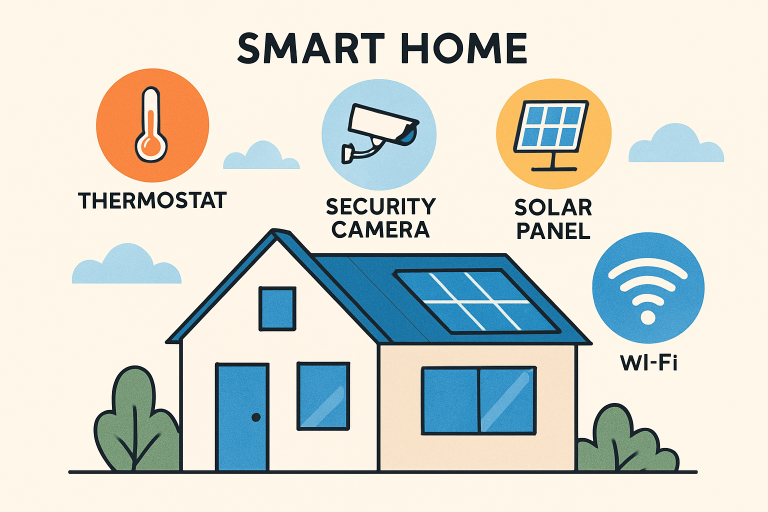
The integration of smart home technology is no longer optional for homeowners looking to maximize property value and appeal. Automated lighting, security systems, climate control, and voice-activated devices have become expected staples in modern homes. These features contribute to both enhanced convenience and lower energy consumption—a combination increasingly prized by buyers. According to U.S. News, certain upgrades, such as smart thermostats, security cameras, and automated lighting, can specifically boost a home’s resale value.
The growth of smart devices and AI assistants continues to transform the way residents interact with their environments. Voice assistants, coupled with connected appliances and smart thermostats, enable a customized, responsive home experience.
Sustainable Design and Construction
Sustainability in residential real estate goes beyond solar panels. Today’s eco-friendly homes include reclaimed materials, water-saving fixtures, rain gardens, and insulation improvements that significantly lower a home’s environmental footprint. Developers and homebuyers alike are increasingly prioritizing long-term savings and ecological impact, a shift credited to heightened awareness around climate change and the growing prevalence of green building certifications such as LEED. According to the National Association of Realtors, sustainability can act as a “hidden value driver” in residential real estate investments, meaning that eco-friendly features often enhance both market appeal and long-term property value. Eco-conscious developments frequently feature electric vehicle charging stations, native landscaping, and even community gardens. These amenities not only support resident well-being but also foster strong, sustainable communities.
Remote Work
The widespread shift to remote and hybrid work models has drastically altered housing needs. Many former city dwellers are choosing larger suburban and rural homes that offer designated office spaces, outdoor amenities, and room for expansion. As employers continue to support flexible work arrangements, suburban and exurban residential markets are experiencing heightened demand and competitive price points.
Co-Living and Shared Spaces
Co-living has emerged as a preferred option for younger buyers, digital nomads, and individuals seeking greater social connectivity. This arrangement typically features private bedrooms paired with communal kitchens, lounges, and workspaces. The affordability and sense of community offered by co-living are attractive in high-demand markets and among those prioritizing networking or shared responsibility over isolation.
Technological Advancements in Property Management
Property management is being revolutionized by proptech (property technology) solutions. From AI-powered leasing assistants facilitating tenant queries to automated workflows for rent collection and maintenance scheduling, technology is streamlining operations for both property owners and tenants. Proptech also supports advanced analytics, enabling better occupancy management and predictive maintenance, driving efficiency and profitability.
Rise of Mixed-Use Developments
Cities and urban centers are increasingly favoring mixed-use developments that combine residential, commercial, and green spaces. This holistic approach emphasizes walkability and accessibility, making it easier for residents to live, work, and socialize in one neighborhood. Well-planned mixed-use projects lead to reduced commuting times, improved amenities, and vibrant communities that attract long-term residents.
Growth in Secondary and Tertiary Markets
The escalating costs and competitive nature of major urban markets are driving investors and businesses toward secondary and tertiary cities. These areas appeal to both investors seeking higher yields and families seeking attainable homeownership in communities focused on growth and quality of life.
Conclusion
Staying informed about the trajectory of residential real estate trends ensures that buyers, sellers, and investors are well-positioned to make sound decisions. Embracing innovation, understanding new regulations, and recognizing the value of sustainable and flexible living arrangements are key to thriving in this dynamic environment. As the industry continues to evolve, those who adapt quickly and thoughtfully will create lasting value for themselves and their communities.
This actually reminds me of a neighbor dispute I had last year over property lines. I tried using one of those neighbor apps to sort it out, but reading reviews at https://www.pissedconsumer.com/neighborwho/RT-F.html made me realize how unreliable some services can be. Ended up just talking face-to-face, which worked better anyway. Sometimes old-school approaches still win, even in a tech-driven market!
Finding the right property becomes easier when buyers rely on verified listings and expert guidance. Accurate details and updated information save time and reduce confusion during the process. Many platforms provide organized listings to help buyers review options clearly. By using Belize Property Search in the middle of their efforts, buyers can sort properties based on price, size, and location. This approach allows for a smoother experience while avoiding unnecessary complications. Working with trusted sources ensures that buyers stay on track and find properties that match their expectations.