
Business
Creating a Professional Workspace That Boosts Productivity
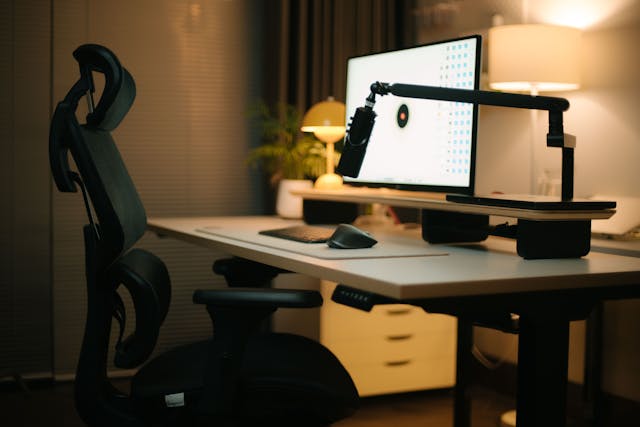
A cluttered desk or harsh lighting may not seem like a big deal, and it isn’t really, but it can make simple tasks feel harder. Contrastingly, a tidy, well-set space can help you settle and work more easily throughout the day.
When your environment supports how you think and move, you waste less energy on discomfort and get more done. Creating a productive workspace matters, whether you’re at home or in an office. Small changes in things such as your layout and lighting actually help you work much more smoothly.
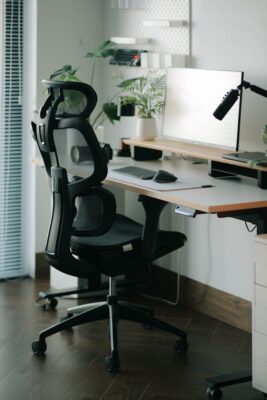
Start with Ergonomics That Put Your Body First
Ergonomics is all about designing workspaces that fit the human body and its capabilities, and when used correctly, it can help reduce fatigue. You feel the difference when your chair supports your lower back properly, or your desk lets your arms rest in a natural way rather than forcing tension into your shoulders.
A proper setup reduces those small aches that slowly break your focus during the day and affect productivity. Sound control also matters more than people expect, and adding sound-absorbing ceiling tiles can soften echoes in busier rooms, making calls easier to follow.
Use Lighting and Natural Elements to Boost Mood
Natural light helps you stay alert because your brain automatically responds to daylight patterns. As a result, you may find that you work with more consistency when you position your desk strategically near a window.
Plants can also help by softening the space and reducing the harshness of screens and plain walls. This can help keep your eyes and mind relaxed during short breaks. If you frequently work on a screen, like most of us do nowadays, be sure to take frequent breaks and focus your vision elsewhere to avoid eye strain.
Integrate Smart Tech That Works with You, Not Against You
Smart tools now handle routine decisions that used to interrupt your focus. Developments such as AI scheduling tools can quickly organize your day and send you reminders for certain events, removing the need for manual checking and organizing.
Other smart tech can help cut down on small interruptions that break concentration. For example, adaptive lighting can adjust brightness based on time and task, and touchless controls reduce the need to switch between apps or devices when your hands are already busy.
Personalize Your Space for Focus and Creativity
You work better in a space that reflects your personality rather than a generic setup. Colors, artwork, and simple decor choices shape how your mind responds to the room. A calm color palette can help to steady your focus, while visual inspiration can help you think more creatively during problem-solving tasks.
A good workspace makes your day feel easier to get through. When you set things up so you’re not constantly adjusting or getting distracted, you naturally stay more focused and get through your work with less effort.