
Business
The Hidden Costs of Neglecting Workplace Maintenance
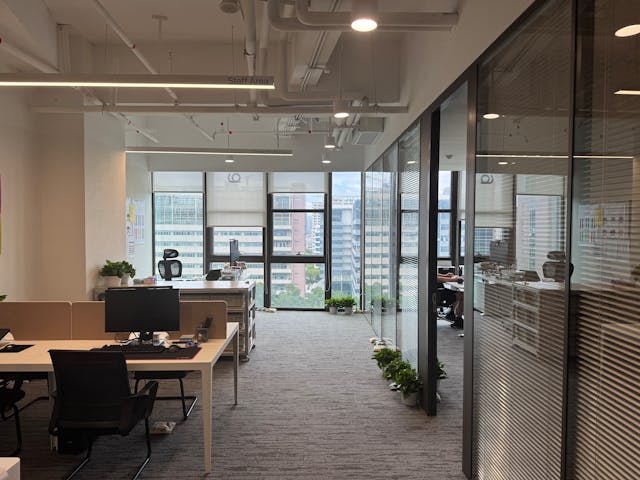
Repairs tend to get put off for no dramatic reason. Things are still working, mostly, so they stay as they are. It feels easier to leave them alone than to deal with them right away. But problems don’t really stay in place.
The cost builds unevenly. A bit more time here, a slightly bigger fix there. Sometimes the bigger issue is the interruption. Work has to move around it, even if just for a while. Waiting feels fine in the moment. Later, it usually looks different.
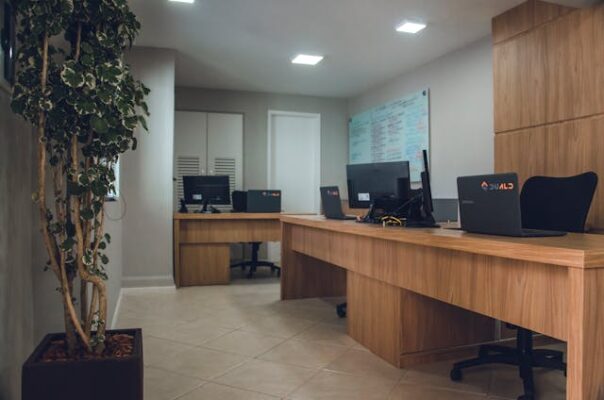
When Small Problems Stop Feeling Like Problems
Workplace maintenance rarely breaks all at once. It slips. A flickering light stays for weeks, a chair wobbles but still gets used, carpets fade, and no one really tracks when that started. Nothing feels urgent, so it waits. After a while, the line shifts. What used to stand out just blends in. People adjust without thinking much about it, and the space quietly sets a lower bar. Messes linger. Small issues stack. Maybe they are noticed, maybe not. Either way, they tend to stay.
The Overlooked Impact of Carpets and Flooring
Floors do more than carry people in and out all day. They hold onto things. Dust, fine dirt, whatever gets dragged in from outside, it settles in and stays there longer than expected. Most of it is not obvious. At a glance, everything can still look fine.
When carpets go without proper cleaning, the change does not announce itself. The room just feels a bit off. Air gets slightly stale, harder to describe than to prove. Some people pick up on it, others don’t, but it tends to sit there in the background.
It can seem like skipping upkeep saves money. For a while, maybe it does. But over time, the space starts to feel tired, and fixing it later usually takes more effort than expected. Looking into affordable carpet cleaning solutions before the dust and dirt build up enough for everyone to notice ensures your employees’ well-being and safeguards your reputation and brand image.
Productivity Does Not Drop All at Once
A worn space does not stop work, but it does affect productivity. People still show up, still get things done. But small distractions build up. A chair that shifts slightly. A smell that never quite leaves. The room feels tired, though it is hard to explain why. These things sit in the background, and then they stay there.
Some days it is noticeable, other days less so. It depends on the person and the kind of work being done. Still, there is a kind of drag, even if it is hard to name directly. Focus takes a little longer. Breaks stretch without much reason. It is not enough to measure clearly, but it adds up in small ways, then more small ways.
The Cost of Delayed Repairs
Repairs usually get pushed back for a simple reason. Nothing feels broken enough. If it still works, it stays. It gets a few more days, then a few more after that. But small issues rarely stay small. A slow leak spreads where it shouldn’t. A worn patch doesn’t just sit there; it grows, even if no one is watching closely. What could have been handled early starts asking for more time, more attention.
The cost does not hit all at once. It comes in bits. Extra labor here, a longer fix there. Sometimes the real problem is the disruption. Areas get blocked off, and work shifts around it. Waiting can seem reasonable in the moment. It just tends to shift things into a different kind of problem later.
Employee Perception and Morale
People notice their surroundings, even if they do not say much about it. A workspace does not need to be perfect, but it should not feel neglected or left as it is for too long. When it does, the effect is subtle. The place feels less stable. Not broken, just not fully cared for, which is a different kind of issue.
This connects, in a loose way, to how the business is seen from the inside. If basic upkeep slips, it raises small doubts. Nothing clear, just a sense that things are being left alone, maybe longer than they should be. Morale is shaped by many small signals. Maintenance sits somewhere among them, not always obvious but still there, still part of it.
Client Impressions That Are Hard to Reverse
Clients tend to form impressions quickly, often before anything is said. The space plays a role in that, even if it is not the main focus. A clean, maintained environment suggests things are in order. It does not need to stand out. It just needs to feel consistent, or at least not distracting.
When there are visible signs of wear, the impression shifts. It may not be enough to cause concern, but it changes the tone slightly, which tends to linger. That shift can stay. Even if everything else is handled well, the first impression sits in the background and does not fully go away.
The Hidden Cycle of Reactive Maintenance
When upkeep is delayed long enough, it becomes reactive. Problems are handled when they become too visible to ignore or too disruptive to leave alone. This creates a pattern. Things are left alone, then fixed quickly. After that, attention fades again, and the same pattern returns.
It is not always planned this way. It just settles into a routine, one that feels normal after a while. Costs come in bursts. Planning becomes uneven. There is less control over when and how things are addressed, which makes things feel a bit scattered. A steady approach would avoid this, but it requires consistency more than anything else, and that part is easy to miss.
The cost of neglect does not show up in one place. It spreads out. Repair bills increase over time. Work slows in ways that are hard to track. The space feels less reliable, though nothing is obviously wrong. Each part seems manageable on its own, which is part of the problem. Delaying maintenance can look like saving money, at least for a while. But the cost does not disappear. It moves, shifts, and tends to come back in a different form, sometimes when it is less convenient.
At my old office, we had this one squeaky conference room door and a constantly flickering fluorescent light that everyone just learned to ignore. But honestly, it made the whole space feel so much less professional when clients came in. Just last week, I was looking up zelle pay reviews because I was tired of a glitchy payment app I’d been using to split lunch bills with coworkers, and I realized I had just been living with the annoyance for months instead of fixing the problem.