
Travel
Planning Your First Trip to Africa: A Complete Guide
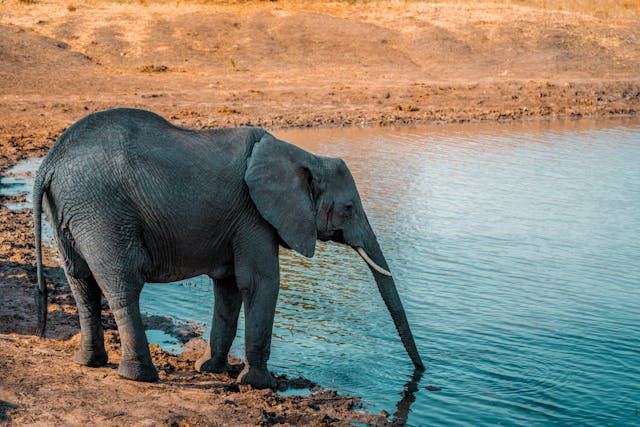
Africa continues to rank among the most sought-after travel destinations in the world, attracting millions of visitors each year with its diverse landscapes and cultural richness. From vast savannas to vibrant cities, the continent offers a wide range of experiences that appeal to both adventure seekers and cultural explorers. Yet, planning a first trip can feel overwhelming due to the sheer number of countries, climates, and travel styles available. Without a clear plan, it is easy to feel unsure about where to begin or how to structure a meaningful itinerary.
A well-organized approach makes all the difference. By focusing on a few key regions and understanding what each destination offers, travelers can turn a complex planning process into a manageable and exciting experience. Many first-time visitors find that working with experienced travel agencies simplifies logistics and ensures a smoother journey.
Crafting the Perfect Itinerary: Balancing Adventure and Comfort
A successful itinerary strikes the right balance between exploration and rest. Limiting the number of destinations helps reduce travel fatigue and allows more time to enjoy each location. It is also important to consider travel distances and transfer times when planning your route, as long journeys can quickly become exhausting. A well-paced schedule keeps the trip comfortable while ensuring you do not miss key highlights.
Including a mix of activities makes the experience more engaging. Combining wildlife viewing with cultural visits or dedicated relaxation time adds variety without overwhelming your schedule. However, structuring such a balanced plan across multiple regions can be challenging without the right expertise. Check out the Orient Africa Travel tours website to see how customized itineraries and expert planning can make travel experiences more efficient and stress-free.
The “Gateway” Destinations: Why South Africa or Kenya Are Perfect for Beginners
South Africa and Kenya are often considered ideal starting points for first-time travelers to Africa. South Africa offers a blend of modern infrastructure, scenic coastlines, and easily accessible wildlife reserves. Visitors can explore cities like Cape Town while also experiencing well-managed parks such as Kruger National Park. Kenya, in contrast, offers a more classic introduction to African travel, with wide-open landscapes and rich wildlife viewing in regions like the Maasai Mara. Both destinations make it easier for beginners to plan a rewarding trip without dealing with overly complicated logistics.
Understanding Seasonality: Navigating the “Great Migration” vs. the “Green Season”
Timing plays a major role in shaping your African travel experience. The Great Migration, one of the most recognized wildlife events, typically takes place between Tanzania and Kenya and attracts visitors during the dry season. This period offers excellent wildlife visibility, as animals gather around water sources and landscapes remain open for viewing. For many first-time travelers, this season provides a strong introduction to Africa’s natural highlights.
The Green Season offers a different but equally rewarding experience. During this time, the landscapes become lush and vibrant, and visitor numbers tend to be lower. This can lead to more relaxed travel conditions and better value for accommodations. Travelers who prioritize scenery, birdlife, and fewer crowds often find this season appealing. Understanding these seasonal differences helps in choosing the right time based on personal preferences and travel goals.
Safari Styles: Comparing Luxury Lodges, Mobile Camps, and Self-Drive Options
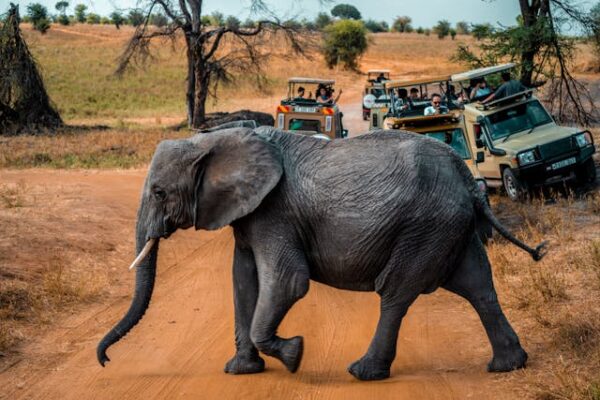
Choosing the right safari style can significantly impact your overall experience. Luxury lodges provide a high level of comfort, with guided game drives, quality dining, and well-appointed accommodations. These are ideal for travelers who want a seamless and relaxing experience without handling logistics themselves. Many lodges also include expert guides who enhance wildlife viewing through their knowledge and tracking skills.
Mobile camps and self-drive options offer alternative experiences. Mobile camps allow travelers to stay closer to wildlife, creating a more immersive experience while still maintaining comfort. Self-drive safaris, meanwhile, appeal to those who prefer flexibility and independence. However, they require careful planning, familiarity with local conditions, and confidence in navigating remote areas. Understanding these options helps travelers select the style that best aligns with their comfort level and expectations.
Beyond the Savanna: Coastal Escapes and Cultural Destinations
A well-rounded African itinerary often includes more than wildlife experiences. Coastal destinations such as Zanzibar offer a relaxing contrast with white-sand beaches and clear waters. These locations offer a chance to unwind after days spent exploring national parks. Beach stays also introduce travelers to local cuisine and Swahili culture, adding variety to the overall journey.
Cultural hubs like Morocco and Ethiopia offer a different perspective on African travel. Visitors can explore historic cities, traditional markets, and architectural landmarks. These experiences highlight the continent’s diversity and depth beyond its natural landscapes. Including both nature and culture in your itinerary ensures a more complete and engaging trip.
Budgeting for the Bush: What to Expect from an African Adventure
Traveling in Africa can vary significantly in cost depending on your chosen destinations and travel style. Safaris often represent the largest expense due to park fees, guided services, and accommodation costs. High-end lodges offer premium comfort and personalized service, while mid-range options still provide excellent experiences at a more accessible price point.
Planning your budget early helps you make informed decisions. Traveling during shoulder seasons can reduce costs while still offering great experiences. Bundled packages that include accommodations, transportation, and guided tours can also provide better value. Understanding where your budget goes helps you prioritize the experiences that matter most.
Taking the First Step Toward Your African Journey
Planning your first trip to Africa becomes much more manageable when you focus on key elements such as destination choice, timing, and travel style. Each decision shapes your overall experience, from the type of accommodation you select to the activities you include. With proper preparation, the process feels less complex and more exciting.
Many travelers discover that their first visit opens the door to future adventures across the continent. The diversity of landscapes, cultures, and experiences encourages return trips and deeper exploration. Taking the time to plan carefully allows you to move from idea to action with confidence, turning your first journey into a meaningful and memorable experience.