
Health and Wellness
Strong Smiles for Life: Oral Health Lessons Every Adult Should Know
Living somewhere like St John’s Wood sets a certain standard. Clean streets, green spaces, a pace of life that gives you room to breathe. It becomes easier to focus on health. You walk more, eat well, and stay active without forcing it. But here’s the thing. While you pay attention to fitness and diet, your oral health often sits quietly in the background. It rarely demands attention until something goes wrong. A dull ache, bleeding gums, or sudden sensitivity can catch you off guard.
Many adults assume brushing twice a day is enough. It is not. Your mouth reflects your overall health and can affect your confidence, comfort, and even long-term wellbeing. So while you enjoy a peaceful and healthy lifestyle, it is worth asking a simple question. How often do you truly think about your oral health?
When You Should Visit a Dentist
A dental visit should not wait for pain. Regular check-ups allow your dentist to spot early signs of trouble. Small cavities, mild gum irritation, or enamel wear can be managed before they turn into larger problems.
Living in St John’s Woods does come with a higher cost of living. Dental care can feel like another expense to manage. But your smile is not something to put aside. It affects your comfort, your confidence, and your overall health. Skipping visits may save money now, but it often leads to more complex treatments later.
Cosmetic treatments are another area people tend to question. They are not always about appearance. Procedures like alignment or fixing damaged teeth can improve how your bite works. That reduces strain on your jaw and prevents uneven wear.
In St John Woods expert dentists can guide you through every step. From routine care to more advanced treatments, they help you make informed decisions about your oral health.
The Right Way to Brush and Floss
Brushing seems simple, but technique matters. A quick scrub does not remove all plaque. You need a soft-bristled brush and fluoride toothpaste. Hold the brush at an angle and move it gently along the gum line. This helps clean areas where plaque often gathers.
Two minutes is the standard for a reason. It gives you enough time to cover all surfaces without rushing. Brushing twice a day keeps plaque from settling in and hardening.
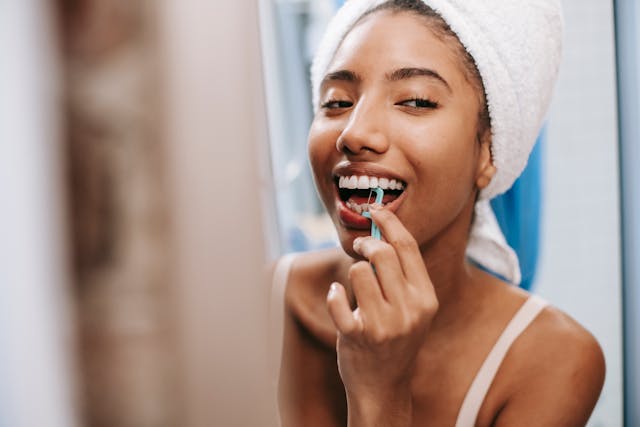
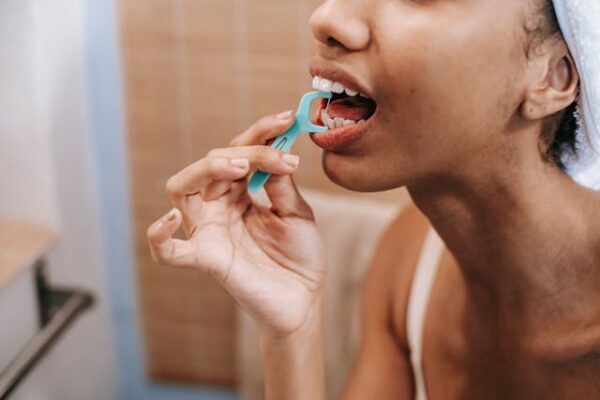
Flossing fills the gap that brushing cannot reach. Food particles and plaque collect between teeth, and they stay there unless removed. A daily flossing routine helps prevent decay in those tight spaces. It also keeps gums healthier by reducing irritation.
Diet Choices That Protect Your Teeth
What you eat shows up in your oral health. Sugary foods feed bacteria in the mouth. These bacteria produce acids that weaken enamel. Frequent snacking keeps this cycle going, which increases the risk of cavities.
It helps to focus on balanced meals. Foods rich in calcium, like dairy products, support strong teeth. Leafy greens and nuts add minerals that keep enamel in good shape. Crunchy fruits and vegetables, such as apples and carrots, can also help clean the surface of teeth while you chew.
Drinks matter just as much. Water is the best option. It rinses away food particles and keeps the mouth hydrated. Sugary drinks and acidic beverages, including fizzy drinks, can erode enamel if consumed often.
Understanding Gum Health
Gums do not get the same attention as teeth, but they play a vital role. Healthy gums hold your teeth in place and protect the roots. They should look firm and pink, without swelling or bleeding.
Early signs of gum problems are easy to miss. Slight redness or occasional bleeding while brushing may not seem serious. But these are early warnings. They indicate that plaque has started to irritate the gum tissue.
If left untreated, this irritation can develop into gingivitis. At this stage, the damage is still reversible with proper care. If it progresses further, it can turn into periodontitis, which affects the supporting structures of the teeth. This can lead to loose teeth or even tooth loss.
Taking care of your gums involves daily cleaning and regular dental visits.
Managing Tooth Sensitivity
Tooth sensitivity can start quietly. A sharp feeling when you sip something cold or hot is often the first sign. It may come and go at first, which makes it easy to ignore. But it usually points to something underneath.
Sensitivity often links to worn enamel or exposed dentine. It can also come from gum recession, where the root of the tooth becomes more exposed. Each of these needs attention, even if the discomfort feels mild.
Using toothpaste designed for sensitive teeth can help reduce the discomfort. It works by protecting the nerve pathways inside the tooth. But this is only part of the solution. If the sensitivity continues, a dental check is necessary to find the cause.
The Impact of Lifestyle Habits
Daily habits shape your oral health more than you might think. Smoking, for example, affects blood flow to the gums. This slows down healing and increases the risk of gum disease. It can also lead to staining and bad breath that does not clear easily.
Alcohol, when consumed in excess, can dry out the mouth. Saliva plays a key role in washing away bacteria. When the mouth stays dry, bacteria build up faster, which increases the risk of decay.
Stress also has its place here. It often leads to teeth grinding or clenching, especially during sleep. This puts pressure on the teeth and jaw, which can cause wear, cracks, or discomfort in the jaw muscles.
Being aware of these habits helps you take control. Small changes in daily behaviour protect your teeth in ways that brushing alone cannot manage.
Restorative Treatments and Their Importance
When damage happens, restorative treatments step in to repair it. Fillings deal with cavities by removing decay and sealing the space. Crowns cover and protect weakened teeth, giving them strength again. Root canal treatment saves a tooth that would otherwise need removal.
These treatments focus on function first. They allow you to chew properly and keep your bite balanced. Leaving damaged teeth untreated often leads to more complex issues. Pain increases, infections can develop, and surrounding teeth may be affected.
Acting early keeps treatment straightforward. A small filling is far simpler than dealing with advanced decay, right?
When you stay consistent with dental care, problems tend to stay small or do not appear at all. You avoid the discomfort that interrupts your day and the treatments that take time to fix. More importantly, you carry a sense of ease in how you eat, speak, and interact with others.
Your smile is not separate from your health or your lifestyle. It sits right at the centre of both. Taking care of it keeps everything else running a bit smoother, without needing to think twice about it.
Oral health really is one of those everyday habits that has long-term effects on overall wellbeing, not just your smile. One point that stands out is how preventive care and consistency make such a difference. It’s not just about treating problems when they appear, but building habits early that reduce risk over time. For anyone interested in improving their smile further, orthodontic options like braces can also play a big role in long-term oral health by correcting alignment issues and making cleaning easier https://www.monavaledental.com.au/teeth-straightening-with-braces/