
Beauty
Achieving Youthful Skin: From Skincare to Cosmetic Procedures

Defining the Boundary: Skincare and Cosmetic Procedures
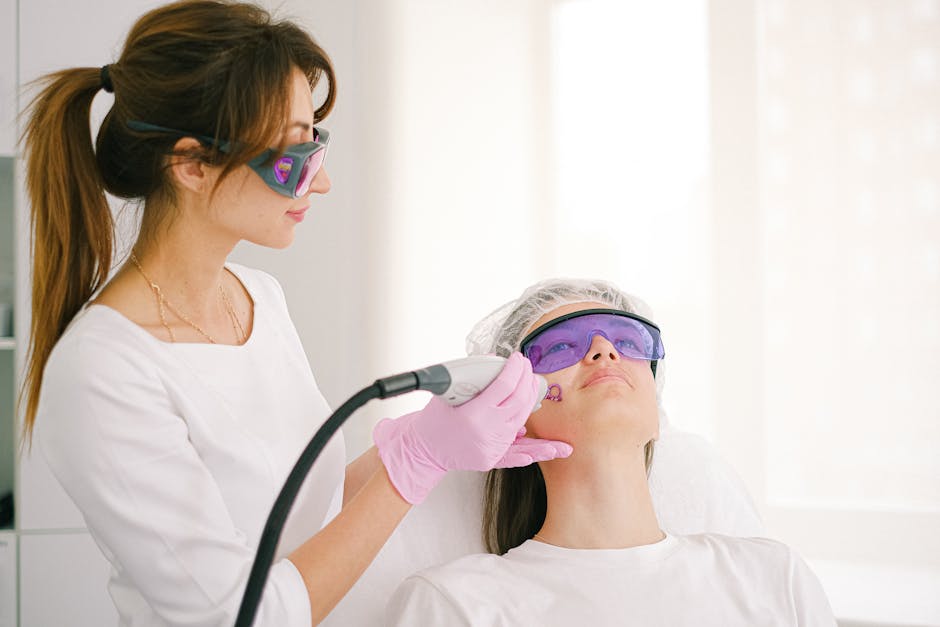 We all desire healthy, youthful-looking skin. Achieving this often involves a blend of daily habits and advanced treatments. But how do we truly differentiate between a simple Skincare routine and a more involved Cosmetic Procedure? The line between these two approaches can seem blurry to many of us.
The demand for aesthetic improvements is growing rapidly. From advanced creams to professional interventions, the options for skin rejuvenation are plentiful. This can make choosing the right path confusing.
We will clarify the distinctions between Skincare and Cosmetic Procedures. We will explore when a daily routine might evolve into a need for professional treatment. We’ll also examine popular non-surgical options, discuss surgical considerations, and guide you on how to choose what’s best for your unique goals. Understanding these differences is key to making informed decisions for your long-term skin health. Many effective daily routines, often built around high-quality products, including Dermatologist-formulated skincare, lay the groundwork for a radiant complexion.
The fundamental distinction between skincare and cosmetic procedures lies in their approach, intensity, and the depth of their impact on the skin. Skincare, at its core, refers to the daily practices and product applications designed to maintain skin health, protect it from environmental damage, and address superficial concerns. These routines typically involve cleansing, treating with serums or targeted products, and moisturizing, often customized to individual skin types and concerns. The goal is consistent maintenance and gradual improvement of the skin’s surface appearance and health.
Cosmetic procedures, on the other hand, involve professional interventions that aim to make more significant, structural changes to the skin or underlying tissues. These treatments often require specialized equipment, medical expertise, and are performed in a clinical setting. While skincare products work on the epidermal (outermost) layers, cosmetic procedures can penetrate deeper, initiating more profound biological responses, such as stimulating collagen production, altering pigmentation, or reshaping facial contours.
Consider the spectrum: a basic routine of cleanser, moisturizer, and sunscreen is unequivocally skincare. Adding a potent anti-aging serum, like one containing retinol or vitamin C, still falls under advanced skincare. These products, especially high-quality Dermatologist-formulated skincare options, work by delivering active ingredients that penetrate the upper layers of the skin to improve texture, tone, and overall health over time. However, when we move into treatments that require professional application or medical devices to achieve their effects, we begin to cross into the realm of cosmetic procedures.
The purpose of skincare is primarily preventative and restorative for daily skin health. It’s about nurturing the skin’s natural functions and mitigating the effects of aging and environmental stressors. In contrast, cosmetic procedures are often corrective, aiming to reverse visible signs of aging, address specific aesthetic concerns, or enhance particular features. For instance, while anti-aging skincare products can certainly help reduce the appearance of fine lines, they cannot achieve the same dramatic results as injectables or surgical lifts. For more insights into the efficacy of topical treatments, you might find our article on Do Anti-Aging Skincare Products Actually Work helpful.

When Does a Daily Routine Become a Cosmetic Procedure?
The transition from a daily skincare routine to a cosmetic procedure often hinges on several factors: the location of treatment, the tools involved, the depth of intervention, and the long-term goal.
A daily skincare routine is something you perform at home, consistently, using products available over-the-counter or through specialized retailers. These products support the skin’s natural barrier, provide hydration, and deliver active ingredients that work gradually. When a treatment cannot be safely or effectively performed at home, requires professional oversight, or involves medical-grade devices, it typically crosses into the territory of a cosmetic procedure.
For example, a gentle at-home chemical exfoliant is part of skincare. A medium-depth chemical peel, performed by a licensed professional using stronger acids, is a cosmetic procedure. The latter requires clinical expertise to manage potential risks and ensure proper healing. Similarly, while a good moisturizer supports your skin’s barrier, a treatment like microneedling, which intentionally creates controlled micro-injuries to stimulate collagen, is a procedural intervention. The intention is to induce a healing response that leads to structural changes in the skin. Understanding how the skin heals is crucial, and our guide, A Comprehensive Guide to Skin Healing, offers valuable context.
The distinction also lies in the focus: skincare aims for ongoing skin health maintenance, while cosmetic procedures often target specific, more pronounced aesthetic concerns that have developed over time. These procedures are designed to achieve an “endpoint” or a significant transformation that daily skincare alone cannot provide. They are typically not meant for daily or even weekly application but are performed periodically to achieve and maintain desired results.
Non-Surgical Interventions: The Middle Ground

Between daily skincare and invasive surgery lies a vast and increasingly popular category of non-surgical cosmetic procedures. These treatments offer noticeable improvements with minimal downtime, making them an attractive option for many seeking rejuvenation without the commitment of surgery. They often leverage medical devices, injectables, or specialized topical applications to stimulate the skin’s natural regenerative processes, enhance collagen production, and improve cellular turnover.
Non-surgical procedures can address a wide range of concerns, from fine lines and wrinkles to uneven skin tone, texture irregularities, and even localized fat deposits. Their appeal lies in their ability to deliver significant aesthetic enhancements with less risk, discomfort, and recovery time compared to surgical options. This “middle ground” allows individuals to progressively refine their appearance and maintain a youthful glow as they age.
Popular Non-Surgical Skincare and Cosmetic Procedures
The landscape of non-surgical cosmetic procedures is continually expanding, with innovations offering more targeted and effective treatments. Some of the most common and impactful options include:
- Chemical Peels: Ranging from superficial to deep, chemical peels use acidic solutions to exfoliate the outer layers of the skin, revealing fresher, smoother skin underneath. They can improve skin texture, reduce hyperpigmentation, and minimize fine lines. While mild peels can be part of advanced skincare, professional-grade peels are definitely cosmetic procedures. For a deeper dive into how these treatments work, explore our article Skin Peels Explained.
- Laser Resurfacing: Lasers use focused light energy to remove damaged skin layers or stimulate collagen production. Ablative lasers remove thin layers of skin, while non-ablative lasers heat the underlying tissue without damaging the surface. They are effective for wrinkles, scars, sun damage, and uneven skin tone.
- Microneedling: This procedure involves using a device with tiny needles to create controlled micro-injuries in the skin. These micro-injuries trigger the skin’s natural healing process, stimulating collagen and elastin production, which leads to improved texture, firmness, and reduced appearance of scars and wrinkles. Many clinics offering these advanced treatments can be found through resources like Locations – Aesthetics Biomedical.
- Radiofrequency (RF) and Ultrasound Treatments: Devices utilizing RF or ultrasound energy deliver heat to the deeper layers of the skin, causing existing collagen to contract and stimulating new collagen production. These treatments are popular for skin tightening on the face, neck, and body, addressing mild to moderate skin laxity.
- Non-Surgical Fat Reduction: Procedures like cryolipolysis (CoolSculpting) or radiofrequency-based fat reduction target and eliminate localized fat cells without surgery, offering body contouring benefits.
These procedures often require a series of sessions to achieve optimal results and may involve some temporary side effects like redness, swelling, or peeling. However, their ability to provide significant improvements without incisions or extensive downtime makes them highly sought after.
Injectables: How Neuromodulators and Fillers Bridge the Gap
Neuromodulators and dermal fillers are perhaps the most widely recognized non-surgical cosmetic procedures, often blurring the lines between “skincare” and “treatment” due to their widespread use and relatively quick results. They are distinct from topical skincare products as they involve injections into the skin or underlying muscles, requiring medical expertise.
- Neuromodulators (e.g., Botox Cosmetic): These substances, derived from botulinum toxin, work by temporarily relaxing specific facial muscles that cause dynamic wrinkles (wrinkles formed by repetitive facial expressions). When injected, they block nerve signals to these muscles, softening lines on the forehead, between the eyebrows (glabellar lines), and around the eyes (crow’s feet). The effects typically last three to four months, as detailed in official prescribing information such as DailyMed – BOTOX COSMETIC. While they don’t improve skin health directly like a moisturizer, they prevent the mechanical action that leads to certain types of wrinkles, improving the skin’s appearance. In 2024, neuromodulator injections saw a 4% increase from 2023, with nearly 9.9 million procedures performed, highlighting their enduring popularity.
- Dermal Fillers (e.g., Hyaluronic Acid Fillers): Unlike neuromodulators, fillers are designed to add volume, smooth static wrinkles (wrinkles present even when the face is at rest), and enhance facial contours. Most commonly, they are made of hyaluronic acid (HA), a substance naturally found in the skin that attracts and holds water, providing hydration and plumpness. Fillers can be used to plump lips, restore volume to cheeks and temples, soften nasolabial folds, and define the jawline. The results are immediate and can last from six months to over a year, depending on the type of filler and the treated area. In 2022, hyaluronic acid fillers were the second most popular non-surgical procedure worldwide.
Both neuromodulators and dermal fillers require a skilled injector to achieve natural-looking results and minimize risks. Many specialized practices, such as Botox, Filler & VI Peel in East Cobb, GA | Aesthetics Rox, emphasize a personalized approach to ensure patient satisfaction and safety. While they are not “skincare” in the traditional sense, they are often used in conjunction with a robust skincare routine to optimize overall facial rejuvenation, addressing both muscle-related wrinkles and volume loss.
Surgical vs. Non-Surgical: Benefits, Risks, and Decision Making
When considering aesthetic enhancements, patients often weigh the pros and cons of surgical versus non-surgical treatments. Each category offers distinct benefits, carries specific risks, and requires different commitments in terms of recovery and longevity. Understanding these differences is crucial for making an informed decision that aligns with individual goals and lifestyles.
Feature Non-Surgical Treatments Surgical Treatments Invasiveness Minimally invasive (injections, lasers, topical applications) Invasive (incisions, general anesthesia) Downtime Minimal to moderate (hours to a few days) Significant (weeks to months) Results Gradual or immediate, subtle to moderate improvement Immediate and dramatic, significant transformation Longevity Temporary (months to 1-2 years), requires maintenance Long-lasting (many years, often considered permanent) Cost Generally lower per session, but ongoing maintenance costs Higher upfront cost, but less frequent need for intervention Risks Bruising, swelling, redness, infection, allergic reaction Infection, bleeding, scarring, nerve damage, anesthesia risks, longer recovery Anesthesia Topical numbing, local anesthetic Local with sedation, general anesthesia Ideal for Mild to moderate concerns, maintenance, preventive care Significant laxity, volume loss, structural changes, dramatic results In 2022, the global demand for cosmetic procedures saw an 11% increase from 2021, indicating a growing interest in both surgical and non-surgical options. In the United States alone, there were over 1.5 million surgical cosmetic procedures and over 5.5 million nonsurgical procedures performed, demonstrating the broad appeal of less invasive options.
Choosing the Right Skincare and Cosmetic Procedures for Your Goals
The decision-making process for aesthetic treatments should be highly personalized, taking into account your specific concerns, desired outcomes, budget, and tolerance for downtime. It’s not simply about choosing between “skincare” and “procedures,” but rather understanding how they can complement each other to achieve comprehensive results.
For those with early signs of aging, mild sun damage, or simply a desire to maintain skin health, a robust skincare routine, potentially augmented with professional facials or light chemical peels, might be sufficient. High-quality products and consistent use can make a significant difference.
When concerns like deeper wrinkles, significant volume loss, or moderate skin laxity become apparent, non-surgical procedures like injectables, laser treatments, or microneedling can offer effective solutions. These treatments provide more noticeable results than skincare alone, without the recovery commitment of surgery. For example, if you’re struggling with facial volume loss, a consultation about Facial cosmetic and skincare options could be beneficial.
For individuals experiencing advanced signs of aging, such as significant skin sagging, jowling, or extensive excess skin (often seen after substantial weight loss), surgical interventions may be the most effective path to achieving desired results. Procedures like facelifts, eyelid surgery, or body lifts provide dramatic and long-lasting transformations that non-surgical methods cannot replicate. According to the 2024 Plastic Surgery Statistics Report, liposuction and breast augmentation remained the top surgical procedures in 2024, while neuromodulators and hyaluronic acid fillers led the non-surgical category, reflecting the diverse needs and preferences of patients.
The best approach often involves a combination of strategies. Daily skincare creates a healthy canvas, non-surgical treatments address specific concerns with minimal intervention, and surgery provides definitive correction when needed.
The Role of a Board-Certified Plastic Surgeon
Navigating the complex world of aesthetic treatments requires expert guidance, and this is where a board-certified plastic surgeon plays an invaluable role. Their expertise extends beyond surgical techniques to a comprehensive understanding of facial anatomy, skin physiology, and the full spectrum of available treatments—both surgical and non-surgical.
A board-certified plastic surgeon can provide an unbiased assessment of your concerns and recommend the most appropriate course of action, whether it involves advanced skincare products, non-surgical procedures, or surgical intervention. They are trained to evaluate the underlying causes of aging and aesthetic concerns, offering a holistic perspective. For example, a reputable practice like Tarzana Cosmetic MedSpa highlights the importance of physician expertise in delivering customized treatment plans.
Key contributions of a board-certified plastic surgeon include:
- Comprehensive Consultation: They conduct a thorough evaluation of your skin, facial structure, and overall health, discussing your goals and expectations realistically.
- Safety and Standards: They adhere to the highest medical standards, ensuring patient safety is paramount. This includes proper facility accreditation, sterile techniques, and appropriate management of potential complications.
- Customized Treatment Plans: Rather than a one-size-fits-all approach, they develop tailored treatment plans that may combine various modalities to achieve optimal and natural-looking results.
- Risk Management: They are equipped to identify potential risks, discuss them transparently, and manage any complications that may arise, which is crucial for both surgical and non-surgical procedures.
- Long-Term Strategy: They can help you develop a long-term aesthetic plan, guiding you through different stages of life and recommending treatments that evolve with your aging process and goals.
Choosing a board-certified plastic surgeon ensures you are receiving care from a highly qualified professional who has undergone rigorous training and certification processes. This credential signifies a commitment to ethical practice, patient safety, and continuous education in the field of aesthetic medicine.
Modern Trends: Traceless Rejuvenation and Preventive Care

In recent years, the aesthetic industry has seen a significant shift towards “traceless rejuvenation” and a stronger emphasis on preventive care, often termed “prejuvenation.” This trend reflects a desire for natural-looking results that enhance one’s appearance without obvious signs of intervention. The goal is to look refreshed, well-rested, and subtly younger, rather than “done.”
Traceless rejuvenation involves a strategic combination of smaller, ongoing treatments designed to maintain youthfulness and address early signs of aging before they become pronounced. This approach often prioritizes skin quality, subtle volume restoration, and muscle relaxation to prevent deep wrinkles from forming. It’s about maintaining a consistent, healthy appearance over time, rather than seeking dramatic, one-off transformations. This philosophy aligns perfectly with the understanding that aging is a continuous process, as explored in articles like The Evolution of Wrinkles: How Aging Affects Your Skin.
Key aspects of this trend include:
- Subtle Enhancements: Utilizing smaller doses of neuromodulators or minimal amounts of filler to achieve soft, natural results that preserve facial expressions and contours.
- Focus on Skin Health: Emphasizing medical-grade skincare, regular professional facials, and non-ablative lasers to improve skin texture, tone, and luminosity from within.
- Prejuvenation: Starting treatments like low-dose neuromodulators or light chemical peels in the late 20s or early 30s to prevent the formation of deeper wrinkles and maintain collagen levels.
- Combination Therapies: Integrating various non-surgical modalities—such as injectables, lasers, and microneedling—to address multiple aspects of aging in a harmonious way.
- Long-Term Maintenance: Viewing aesthetic treatments as an ongoing journey rather than a quick fix, with regular appointments to sustain results and adapt to the skin’s changing needs.
This modern approach encourages individuals to be proactive about their skin health and aesthetic goals, fostering a more sustainable and less dramatic path to looking and feeling their best. It also highlights the importance of a skilled practitioner who understands facial anatomy and can deliver results that are both effective and aesthetically harmonious with the individual’s natural features.
Frequently Asked Questions
What is the main difference between skincare and cosmetic procedures?
The main difference lies in their approach and depth of action. Skincare encompasses daily routines and topical products designed for ongoing maintenance, protection, and superficial improvement of skin health. Cosmetic procedures, conversely, are professional interventions that involve medical devices, injections, or surgery to make more significant, structural changes to the skin or underlying tissues, addressing specific aesthetic concerns or reversing signs of aging. Skincare is about daily care; procedures are about clinical treatment.
Can cosmetic procedures replace a daily skincare routine?
No, cosmetic procedures cannot replace a daily skincare routine; instead, they complement it. A consistent, effective skincare regimen is the foundation of healthy skin. It protects the skin barrier, provides hydration, and delivers essential nutrients. Cosmetic procedures work on top of this foundation, enhancing results, addressing deeper concerns, and prolonging the benefits. Without good daily skincare, the results of even the most advanced procedures may not last as long or look as good.
How do I know if I need surgery or a non-surgical treatment?
Determining whether you need surgery or a non-surgical treatment depends on the severity of your concerns, your aesthetic goals, and your tolerance for downtime. Non-surgical treatments are typically suitable for mild to moderate signs of aging, such as fine lines, some volume loss, or textural irregularities. Surgery is generally recommended for more significant issues like considerable skin laxity, pronounced jowling, or substantial excess skin. A board-certified plastic surgeon is the best resource to evaluate your specific condition, discuss your options, and recommend a personalized treatment plan based on your unique anatomy and desired outcomes.
Conclusion
The journey to achieving youthful and healthy skin is a dynamic one, constantly evolving with advancements in both skincare science and cosmetic procedures. We’ve explored the clear distinctions between daily skincare routines focused on maintenance and protection, and cosmetic procedures designed for more significant, structural changes. From the subtle enhancements offered by non-surgical interventions like injectables and lasers to the transformative results of surgical options, there is a spectrum of choices available.
The modern trend of “traceless rejuvenation” underscores a desire for natural-looking results, emphasizing preventive care and a holistic approach to aesthetics. This means viewing your skin health as an ongoing commitment, where consistent daily care forms the bedrock, complemented by professional treatments as needed.
Making informed decisions about your skin health and aesthetic goals requires understanding these options and, crucially, seeking guidance from qualified professionals. A board-certified plastic surgeon can provide the expert assessment and personalized recommendations necessary to navigate this landscape safely and effectively. By embracing a comprehensive approach that integrates diligent skincare with appropriate cosmetic procedures, we can all confidently pursue our best, most radiant selves.
To discover the best skincare and treatment options tailored for your unique needs, we encourage you to explore further and take the first step towards personalized care. Take the Summer Summit Skin Quiz to get started!