
Business
Why U.S. Businesses Are Choosing Professional Bookkeeping Services in 2027
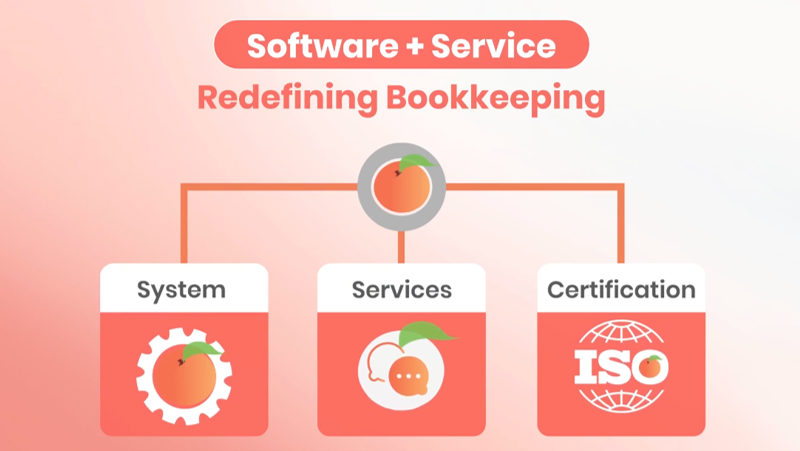
Running a business involves more than generating sales and managing daily operations. Every transaction, payment, invoice, expense, and payroll activity contributes to the company’s financial picture. As businesses grow, maintaining accurate financial records and reliable recordkeeping processes becomes increasingly complex.
For many companies, the challenge is not simply recording a higher volume of transactions. Financial information must be collected, organized, reviewed, and maintained in a way that reflects the business accurately and supports reporting, planning, and decision-making.
This is why many U.S. businesses are turning to professional bookkeeping services for additional support. Modern bookkeeping involves more than entering transactions into accounting software. It requires accounting knowledge, structured processes, consistent review, and an understanding of how financial activity connects to the business behind the records.
Reliable financial information depends on more than the completion of individual bookkeeping tasks. It depends on the workflows, review practices, documentation, and oversight that support the entire process. As businesses evaluate their financial operations in 2027, many are looking for bookkeeping support that provides greater consistency, visibility, and confidence in their records.
Why Businesses Are Rethinking Their Bookkeeping Approach
As businesses grow, their financial responsibilities often become more complex. Additional customers, vendors, payment methods, accounts, employees, and operational activities can create a larger volume of financial information that needs to be managed consistently.
The challenge is not only keeping up with transactions. Businesses also need financial records that are organized, current, and useful for understanding performance. When bookkeeping processes are not clearly defined, information may become inconsistent, delayed, or difficult to review.
Effective bookkeeping requires more than recording financial activity. It involves understanding how transactions relate to the business, maintaining consistency across accounts, identifying unusual items, and addressing questions before they affect reporting or decision-making.
For many businesses, maintaining this level of consistency internally requires dedicated time, expertise, and processes. This is one reason companies are increasingly evaluating external bookkeeping support as they look for ways to strengthen their financial operations.
What Do Professional Bookkeeping Services Include?
Pofessional bookkeeping services may include:
- Recording and organizing financial transactions
- General ledger maintenance
- Bank and credit card reconciliations
- Accounts payable and accounts receivable support
- Month-end close support
- Financial reporting
- Payroll-related recordkeeping
- Audit preparation and documentation support

The scope of support depends on the business’s operations, transaction volume, reporting requirements, and internal resources.
However, effective bookkeeping involves more than completing individual tasks. A reliable bookkeeping process connects these responsibilities through defined workflows, consistent recordkeeping practices, review procedures, and ongoing oversight.
The quality of financial information depends on how those activities are managed over time.
The Importance of Consistent Financial Records
Accurate financial records provide businesses with greater visibility into their operations. When bookkeeping is maintained consistently, owners and teams can review financial information with greater confidence and use it to support planning and decision-making.
When recordkeeping becomes inconsistent or falls behind, businesses may experience challenges such as:
- limited visibility into cash activity,
- difficulty tracking outstanding balances,
- delayed financial reporting,
- additional work during tax preparation,
- challenges responding to lender or investor requests.
Well-maintained financial records can help businesses:
- monitor financial performance with more complete information,
- review financial statements regularly,
- develop budgets and forecasts,
- recognize trends and changes,
- maintain visibility into working capital,
- provide organized financial information to lenders and investors, and
- identify discrepancies earlier.

Supporting Tax Preparation and Financial Planning
Maintaining organized financial records throughout the year can make tax preparation more efficient. When transactions and supporting documentation are current, accountants and tax professionals have a clearer and more complete record to review when preparing tax filings.
The Internal Revenue Service (IRS) emphasizes the importance of maintaining records that support income, expenses, and other information reported on tax returns.
Beyond tax preparation, consistent bookkeeping also supports financial planning. Reliable financial information allows businesses to evaluate performance, identify trends, create forecasts, and make decisions based on a clearer understanding of their current position.
The Role of Technology in Modern Bookkeeping
Technology has changed how financial information is collected, organized, and processed. Cloud accounting platforms, automated bank feeds, digital document storage, electronic approvals, and connected financial tools can support more efficient bookkeeping workflows.
But the capabilities within these systems do not develop independently. People design the workflows, establish the rules, configure the tools, and determine how financial information should move through the process. Once those structures are in place, technology can support activities such as:
- organizing transaction data,
- applying established account mappings,
- routing information for review,
- maintaining digital documentation, and
- supporting financial reporting.
These tools can improve efficiency, but they do not independently understand a business, evaluate every transaction in context, or determine when additional investigation is needed.
Professional expertise remains essential for reviewing financial activity, identifying inconsistencies, and maintaining processes that support dependable recordkeeping.
Why do businesses outsource their bookkeeping?
As financial responsibilities increase, some businesses reach a point where managing bookkeeping internally requires more time, specialized knowledge, and operational resources than they can reasonably maintain.
Building an internal bookkeeping function involves more than hiring someone to manage transactions. Businesses may also need to invest in:
- recruitment,
- training,
- software,
- process development,
- documentation,
- quality review,
- ongoing management.
Outsourcing allows businesses to access bookkeeping expertise and established processes without building every capability internally.
The right outsourced bookkeeping arrangement can provide additional capacity while helping businesses maintain consistent financial records as their needs change.
Benefits of Outsourced Bookkeeping Support
- More Flexible Use of Internal Resources
Outsourced support can provide access to the level of bookkeeping capacity a business needs without requiring the same internal investment across every stage of growth.
- Access to Specialized Knowledge and Established Processes
An outsourced provider may bring specialized experience alongside established workflows for managing recurring activities, reviewing financial information, following up on questions, and maintaining consistency across the bookkeeping process.
- Support That Can Adapt as the Business Changes
A business’s bookkeeping needs may change as transaction volumes increase, new accounts are added, operations expand, or additional financial functions require support.
An outsourced arrangement can be adjusted as those needs develop, allowing the scope of support to reflect the business’s current level of financial activity and operational complexity.
- Greater Process Consistency
Reliable financial information depends on more than the experience of an individual bookkeeper. It also depends on the workflows, review practices, documentation, and controls that support the work.
A structured outsourced service can bring greater consistency to recurring bookkeeping activities while providing a defined process for reviewing information and addressing items that require clarification.
- More Capacity for Internal Priorities
Outsourcing can reduce the amount of bookkeeping work that business owners and internal teams need to manage directly. This can allow them to devote more time to customers, operations, employees, and strategic priorities while maintaining visibility into the business’s financial information.
How to Choose the Right Bookkeeping Partner
Not all bookkeeping providers manage their work in the same way. Experience, industry knowledge, accounting software, and pricing are important considerations, but they do not always show how a provider maintains financial records after the work has been handed over.
When evaluating a bookkeeping partner, businesses should consider:
- Relevant bookkeeping experience — Does the provider understand the accounting requirements, reporting needs, and operational considerations relevant to the business?
- A clearly defined service scope — Are the responsibilities, deliverables, and level of support clearly explained?
- Structured workflows — How are financial records collected, organized, recorded, reviewed, and maintained over time?
- Quality control and oversight — What review practices are in place, and how are discrepancies or unusual items identified and addressed?
- Technology and system capabilities — How does the provider use accounting software and other tools to support efficiency, consistency, and visibility?
- Data security — How is sensitive financial information stored, accessed, and protected?
- Communication and responsiveness — How are questions, requests, and missing information managed throughout the engagement?
- Support that reflects the business’s needs — Can the scope of service account for the company’s financial activity, operational complexity, and changing requirements?
The right bookkeeping partner brings together specialized knowledge, structured processes, technology, and ongoing oversight to help maintain financial information that is organized, dependable, and useful.
Looking Ahead to 2027
As businesses grow, financial expectations continue to evolve. Companies increasingly need financial information that is maintained consistently, available when needed, and supported by processes that can adapt to changing operations, reporting requirements, and levels of financial activity.
Technology will continue to influence how bookkeeping work is completed, making it possible to connect financial information, streamline recurring activities, and support more efficient workflows. At the same time, technology does not determine how a bookkeeping process should be structured, how financial activity should be interpreted, or when an item requires further review. Those capabilities depend on the knowledge, judgment, and direction people bring to the work.
The future of bookkeeping will therefore depend on more than adopting new tools. It will require well-designed systems, clearly defined processes, specialized expertise, and ongoing oversight working together.
Businesses that understand how these elements support one another will be better positioned to maintain financial information that remains organized, dependable, and useful as their needs change.
Contact Peach BPO to learn more about its bookkeeping services and the structured approach behind its financial support.
Frequently Asked Questions (FAQ’s)
What do professional bookkeeping services include?
Bookkeeping services support the ongoing maintenance of a business’s financial records. Depending on the business’s needs, services may include transaction recording, general ledger maintenance, bank and credit card reconciliations, accounts payable and accounts receivable support, month-end activities, financial reporting, and payroll-related recordkeeping.
Effective bookkeeping also involves reviewing financial activity in context, maintaining consistency across the records, and following up on information that is incomplete, unclear, or requires further attention.
Why are businesses outsourcing their bookkeeping?
Businesses are increasingly choosing professional bookkeeping services because maintaining reliable financial records requires specialized knowledge, consistent processes, and ongoing attention.
External support can provide access to bookkeeping expertise, structured workflows, technology, and processes that help businesses maintain dependable financial information.
How does bookkeeping support tax preparation?
Consistent recordkeeping helps businesses maintain organized financial information throughout the year. When transactions and supporting documentation are current, tax professionals have a clearer foundation for preparing filings.
Is bookkeeping only for small businesses?
Bookkeeping needs vary based on factors such as the volume and complexity of financial activity, the company’s operations, reporting requirements, and the responsibilities managed internally.
Businesses of different sizes may require different levels of bookkeeping support. The appropriate scope depends on the business’s specific needs rather than its size alone.
What should businesses look for in a bookkeeping service?
Businesses should consider the provider’s relevant experience, service scope, technology, data-security practices, communication processes, and ability to support changing requirements.
It is also important to understand how the provider manages the bookkeeping work. Questions about workflows, review practices, quality control, follow-up procedures, and the handling of discrepancies can provide a clearer view of how the service operates after the work is handed over.