
Business
Finding Opportunity in What Others Discard
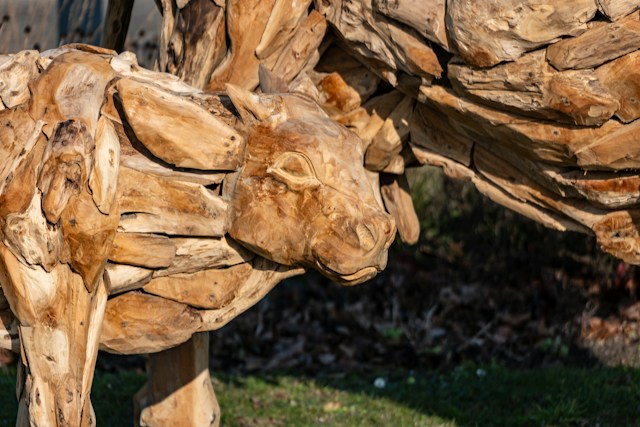
Many of the world’s most successful ventures didn’t start with a brand-new invention. Instead, they began with someone looking at something old in a fresh way. Seeing potential in what others have overlooked or thrown away is a powerful skill. It’s a kind of creativity that can turn problems into profits and waste into wealth. This isn’t just for new startups; it’s a mindset that can spark innovation anywhere, showing that opportunities are often hiding in plain sight.
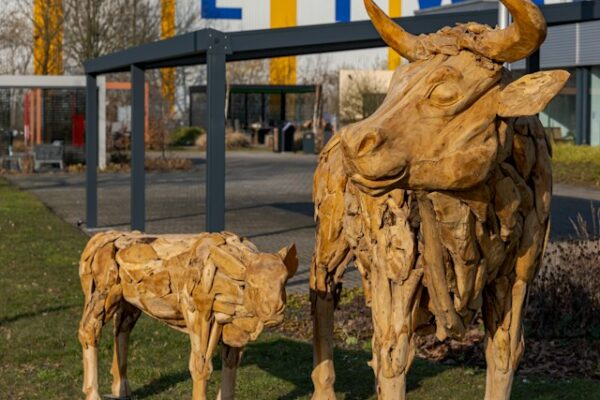
The Entrepreneurial Mindset
At its heart, entrepreneurship is about solving problems. While some entrepreneurs create entirely new solutions, many others are great at finding new uses for things that already exist. People often call this way of thinking the entrepreneurial mindset. It’s a perspective that mixes creativity, resilience, and a constant hunt for opportunities. Think of it as seeing a stack of discarded wood pallets and imagining stylish furniture, or looking at leftover fabric scraps and picturing a new fashion line.
This mindset means you have to challenge the idea that “waste” is the end of a material’s life. Instead, you start asking questions: What is this made of? What are its properties? Who else could use it? Answering these questions can uncover hidden value and reveal business chances that others have completely missed. It’s all about being resourceful and not just accepting things as they are.
Seeing Value Beyond Waste
Every business creates some kind of waste, whether it’s office paper or industrial byproducts. Usually, this is just seen as a cost for disposal. But an entrepreneurial view changes waste into a possible asset. A restaurant’s food scraps could become compost for a local farm. Leftover materials from a construction site could be sold to people who like to do DIY projects. The trick is to stop thinking about throwing things away and start thinking about getting value back from them.
For many businesses, managing this can get complicated. Working with experts who offer customized recycling solutions can help you spot valuable materials in your waste and set up efficient ways to recover them. This doesn’t just create a new source of income; it also makes your business more sustainable, which is something modern customers care about more and more. By treating waste as a resource, you turn something that costs money into something that generates value.
Innovating with Existing Resources
Finding value in discarded items often takes a good dose of creativity. This process, called upcycling, turns waste materials into new products that are better quality or more valuable. It’s a bit like making a teacher gift basket from dollar store items. Unlike recycling, which breaks materials down to their basic parts, upcycling reimagines the material as it is. This has led to many innovative business models that are both profitable and good for the environment.
Take these examples:
- Fashion: Brands are making jackets from recycled plastic bottles and bags from old advertising banners.
- Furniture: Artisans build unique tables, chairs, and decor using reclaimed wood, metal pipes, and other industrial cast-offs.
- Art: Artists use old electronics, broken glass, and scrap metal to create amazing sculptures and mosaics.
Innovation isn’t only for physical products. Service businesses can also be built around existing resources. For instance, a company might offer to collect and redistribute unused office supplies from big corporations to schools and non-profits.
From Scrap to Success
The journey from a discarded scrap to a successful product really shows the power of vision and persistence. Many successful Etsy shops and local businesses started because a founder saw potential in something others threw away. Someone who gathers sea glass from the beach and turns it into jewelry is a perfect small-scale example of this idea. They take a free, abundant resource and add their work and creativity to make a valuable product.
On a bigger scale, companies have built entire empires on this concept. Many metal recycling businesses, for example, focus on collecting, sorting, and processing scrap metal to sell back to manufacturers. They play a crucial role in the circular economy, making sure valuable resources stay in use instead of ending up in a landfill. This model proves that with the right process and market, there’s huge financial opportunity in what society discards.
The next time you see a pile of “junk” on the curb or a dumpster full of materials, take a second look. The next big idea might be sitting right there, just waiting for someone with the vision to see its true potential.
Rum can differ greatly in color, taste, and aroma depending on how it is produced and aged. Types of rum https://atlanticorum.com/ include white, gold, dark, spiced, and aged styles, each with distinctive qualities. Lighter varieties often have subtle and fresh flavors, while darker versions may contain notes of caramel, vanilla, dried fruit, or spices. These characteristics allow rum to be used in a wide range of beverages and culinary recipes.