
Business
From Shelf to Supply Chain: What Keeps Food Moving and Where Things Go Wrong

The food on a store shelf is the visible end of a much larger operation. Before a product reaches a customer, it may pass through processors, warehouses, transportation providers, distributors, retailers, and sometimes international borders. Every transfer creates another point where timing, temperature, paperwork, inventory, or communication can go wrong. For food businesses, distribution is therefore much more than transportation. It is the system that protects product quality, keeps shelves stocked, manages costs, and helps make sure food reaches the market safely.
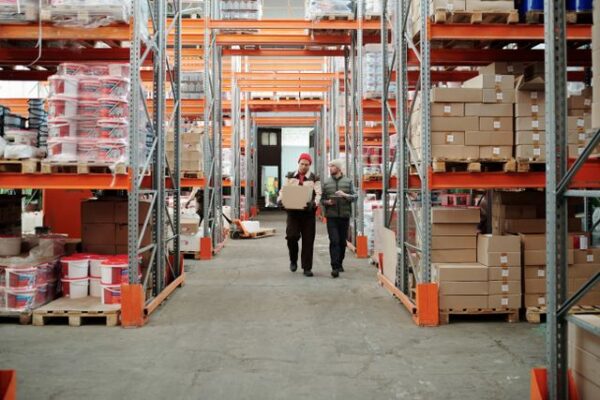
Distribution Connects Production With the Customer
Food distribution covers almost everything that happens between production and the point of sale.
A distributor may receive products from manufacturers, hold inventory in warehouses, assemble orders, arrange transportation, and deliver goods to retailers, restaurants, or institutional buyers. Depending on the product, that work can also involve refrigeration, frozen storage, specialized packaging, and strict delivery windows.
This becomes complicated because different foods behave differently.
Shelf-stable products can tolerate longer storage periods, while produce, dairy, meat, and frozen goods require much tighter control. A system that works perfectly for canned food may be completely unsuitable for fresh seafood or ice cream.
The goal is not simply to move products quickly. It is to move the correct products under the correct conditions while maintaining enough inventory to meet demand without creating unnecessary waste.
Compliance Has to Travel With the Product
Food businesses operate within regulatory systems that can affect labeling, storage, transportation, traceability, imports, recalls, and other parts of the supply chain.
That makes documentation part of distribution rather than an administrative task that happens afterward.
Companies dealing with complicated regulatory, contractual, or international trade questions may consult food distribution attorneys at OFW Law when legal issues intersect with the movement of food products.
Good records become particularly important when something goes wrong. Businesses may need to identify where a product originated, which lot was affected, where it was shipped, and who handled it along the way.
A system that produces accurate information quickly is far more useful than one that requires employees to search through scattered emails, paper files, and spreadsheets during an urgent problem.
Timing Can Determine Whether a Product Makes Money
Food comes with a built-in deadline.
A late shipment of furniture is inconvenient. A late shipment of highly perishable food may become unsellable.
That puts pressure on every stage of distribution. Producers need accurate forecasts, warehouses need enough capacity, and transportation providers need to meet delivery windows. Retailers may also plan promotions, shelf space, and staffing around expected arrivals.
Seasonality makes the timing problem even more important.
Products associated with holidays, sporting events, warmer weather, or other short demand periods may lose much of their value if they arrive after consumers have moved on.
Good distribution planning therefore includes more than predicting how many units will sell. Businesses need to understand lead times, storage limits, transportation risks, and how quickly they can respond when demand behaves differently than expected.
Cold Chains Leave Very Little Room for Error
Temperature-sensitive food creates one of the most demanding distribution environments.
Refrigerated and frozen products need controlled conditions during storage, loading, transportation, unloading, and sometimes even temporary staging. A failure at any one of those points can affect quality or safety.
Modern cold-chain systems increasingly use sensors and digital monitoring to track temperature and identify problems earlier. Stronger cold-chain logistics can also reduce waste by helping perishable products travel longer distances without losing usable shelf life.
The important part is continuity.
A perfectly refrigerated warehouse does not protect a product if it sits too long on an unrefrigerated loading dock. Each handoff needs clear standards and accountability.
Businesses should know who monitors temperature, how deviations are documented, and what happens when a shipment falls outside acceptable conditions.
Small Errors Can Create Large Supply Problems
Many distribution failures begin with something ordinary.
A barcode is incorrect. A pallet carries the wrong lot information. A truck misses its appointment. Inventory data says a product exists when the warehouse cannot locate it.
Individually, these mistakes may seem manageable. At scale, they can create rejected deliveries, stockouts, spoilage, retailer chargebacks, or lost sales.
That is why operational discipline matters so much.
Receiving procedures should be consistent. Inventory movements should be recorded accurately. Labels should be reviewed before large production runs, and unusual discrepancies should be investigated instead of quietly corrected without understanding the cause.
The strongest distribution operations make routine tasks repeatable. They reduce dependence on individual memory and create systems that can continue functioning even when order volumes grow, or experienced employees are unavailable.
Traceability Matters Most When Something Goes Wrong
When a food safety problem occurs, speed becomes critical.
A business may need to determine which products are affected without unnecessarily removing unrelated inventory from the market. That depends on being able to trace products backward toward their source and forward toward customers.
Digital food supply-chain traceability can make information easier to follow across fragmented networks where several companies handle the same product before it reaches the consumer.
Technology helps, but accurate data has to exist in the first place.
A sophisticated platform cannot fix incorrect lot numbers or missing receiving records. Businesses still need consistent procedures for capturing information whenever products change hands.
Good traceability is therefore both a technology issue and a process issue. The system only becomes valuable when people use it correctly throughout the supply chain.
International Distribution Adds More Moving Parts
Crossing a border introduces another layer of planning.
Food businesses may need to account for customs requirements, import documentation, tariffs, supplier verification, product restrictions, labeling differences, and longer transit times.
A product that meets requirements in one market may not automatically satisfy the rules somewhere else.
International shipping also increases exposure to delays. Port congestion, customs inspections, documentation errors, transportation disruptions, or changes in trade requirements can affect the delivery schedule.
That means businesses should build realistic buffers into planning rather than assuming international shipments will move as predictably as nearby deliveries.
Documentation deserves particular attention. The physical product and the paperwork accompanying it need to tell the same story.
A shipment can be perfectly safe and commercially valuable while still becoming difficult to move if its documentation is incomplete or inaccurate.
Contracts Define What Happens When Plans Fail
Strong working relationships are important in distribution, but relationships alone cannot answer every question when a shipment is damaged or delayed.
Contracts can clarify responsibilities involving delivery schedules, product condition, payment, storage, rejected loads, insurance, liability, and ownership.
These details matter because supply-chain problems rarely affect only one business.
A late delivery might create losses for a retailer, additional storage costs for a distributor, and a dispute with the transportation provider. Without clear agreements, every party may have a different understanding of who was responsible.
Contracts should therefore reflect how the relationship actually operates rather than relying on generic language that nobody reviews until a disagreement occurs.
Clear expectations protect the relationship as much as they protect the individual businesses involved.
Better Visibility Makes Distribution More Resilient
Food businesses cannot prevent every disruption.
Weather, cyber incidents, transportation shortages, equipment failures, sudden demand changes, and supplier problems can all interrupt otherwise well-designed systems.
What businesses can improve is visibility.
Knowing current inventory levels, shipment status, warehouse capacity, and supplier conditions gives decision-makers more time to respond. When information arrives late, small problems have more opportunity to become expensive ones.
Resilience also means avoiding unnecessary dependence on a single part of the network. Alternative suppliers, transportation options, and contingency plans can provide valuable flexibility when normal arrangements fail.
The objective is not to create a supply chain that never experiences problems. That is unrealistic.
The goal is to create one that notices problems early enough to respond intelligently.
Food Distribution Works Best When Every Part Connects
Successful food distribution depends on coordination.
Transportation cannot compensate indefinitely for poor forecasting. Technology cannot repair weak procedures. Contracts cannot replace communication, and good relationships cannot replace accurate records.
The strongest operations connect those elements.
They understand how quickly products move, maintain visibility into inventory, protect temperature-sensitive goods, document transfers, and prepare for disruptions before they happen.
That discipline may not be the most visible part of building a food business, but customers experience the results every time the right product appears on the shelf in the right condition.
Food may be what people buy. Distribution is what makes buying it possible.