
Weight Loss
Sustainable Strategies for Long-Term Weight Loss Success

Key Takeaways:
- Gradual weight loss of 1-2 pounds per week is more sustainable and healthier than rapid weight loss.
- Incorporating whole, nutrient-dense foods and practicing portion control are essential dietary strategies.
- Regular physical activity supports weight management, including aerobic and strength training exercises.
- Prioritizing sleep and managing stress are crucial for regulating appetite and preventing weight gain.
- Setting realistic goals and seeking support can enhance motivation and adherence to weight loss plans.
Table of Contents:
- Embrace Gradual Weight Loss
- Focus on Balanced Nutrition
- Incorporate Regular Physical Activity
- Prioritize Sleep and Manage Stress
- Set Realistic Goals and Seek Support
Achieving lasting weight loss is a journey that extends far beyond the promises of fad diets or temporary solutions. Many people find themselves in a cycle of losing weight only to regain it, often due to unsustainable methods and unrealistic expectations. The true key to long-term success involves shifting your focus from a quick-fix mentality to developing healthy habits that are sustainable and rewarding. For those seeking additional guidance and a structured plan, weight loss Charlottesville provides invaluable support and individualized resources to help you reach your goals. By adopting a holistic, evidence-based approach, you not only empower yourself to shed pounds, but also to build a foundation for lifelong health, resilience, and happiness.
Embrace Gradual Weight Loss
The allure of rapid weight loss from strict regimens and trending diets is strong, but experience and research consistently show that slow, steady progress is what truly delivers lasting results. Health professionals advocate for losing about 1-2 pounds per week, which is a pace that supports your body’s natural adaptation processes. A measured approach allows your metabolism to adjust, minimizes muscle loss, and maintains energy levels. This method also makes it easier to embed new, positive habits into your daily routine without feeling deprived or overwhelmed. Instead of obsessing over the scale, focus on fostering lifestyle changes—such as eating more vegetables, walking more steps, and celebrating small victories. As highlighted in evidence-based guidelines from CMPC Health, establishing healthy routines and allowing your body time to adapt will always outpace extreme interventions in the long run, supporting your efforts to avoid weight regain and chronic burnout.
Focus on Balanced Nutrition
Choose Whole, Nutrient-Dense Foods
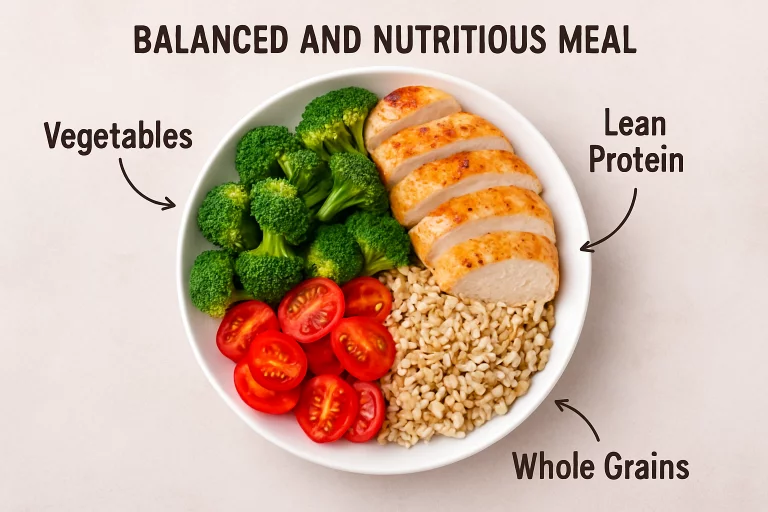
Nutrition is a cornerstone of sustainable weight management. Prioritizing whole, minimally processed foods fuels your body more efficiently and curbs unhealthy cravings. Center your meals around abundant colorful vegetables, fresh fruits, lean protein sources such as chicken, fish, tofu, or beans, fiber-rich whole grains like quinoa, brown rice, or oats, and healthy fats from olive oil, avocados, and nuts. These foods are rich in vitamins, minerals, antioxidants, and fiber, helping you stay full and energized throughout the day. Regularly consuming nutrient-dense meals supports weight loss, boosts immunity, and fosters overall well-being. Over time, these healthy choices become habits that are easier to sustain, paving the way for continuous progress without feeling restricted or deprived.
Portion Control and Mindful Eating
Even nutritious foods, if consumed in excess, can slow or even reverse your progress. Learning to recognize your body’s hunger and fullness signals—and acting on them—can transform your relationship with food. Try using smaller plates and bowls, serving reasonable portions, and eating slowly to savor your meals. This mindful approach helps with portion control, increases satisfaction, and reduces the likelihood of overeating, especially in emotional or social situations. Tune into your body’s cues and strive to eat when genuinely hungry, stopping when satisfied. As advised by UPMC HealthBeat, combining mindful eating practices with a preference for whole foods creates a powerful foundation for lasting weight management and improved self-awareness around food choices.
Incorporate Regular Physical Activity
Aerobic and Strength Training
Physical activity is indispensable for both losing weight and maintaining your success in the long run. Engage in aerobic exercises such as brisk walking, jogging, cycling, or swimming to burn calories and boost cardiovascular health. Strength training is equally important, as it helps preserve and build muscle mass, naturally increasing your metabolism. Aim for at least 150 minutes of moderate-intensity aerobic exercise per week, complemented by muscle-strengthening activities twice or more weekly. Regular movement enhances mood, improves sleep, and can even help manage chronic conditions, making it a multi-faceted tool for a healthier, more active lifestyle.
Keep It Enjoyable and Routine
You look forward to and enjoy the most effective exercise routine. Consider activities that naturally fit your interests and lifestyle, from hiking and group fitness classes to dancing, swimming, or team sports. This sense of enjoyment increases your likelihood of sticking with your routine over time. Mix up your activities to challenge different muscle groups and keep things interesting. Invite friends, participate in community events, or track milestones to motivate yourself.
Prioritize Sleep and Manage Stress
Restful Sleep for Recovery
Quality sleep is critical for appetite regulation and energy management. Insufficient or inconsistent sleep disrupts hormones like leptin and ghrelin, which control how hungry and full you feel. Tiredness often leads to cravings for unhealthy, high-calorie foods and can sap your motivation to exercise. Experts recommend adults aim for 7-9 hours of uninterrupted sleep every night. Establish a soothing bedtime routine—avoid screens before sleep, keep your room cool and dark, and go to bed simultaneously each night to support your body’s internal clock and improve sleep quality.
Effective Stress Management
Chronic stress can undermine your weight loss efforts by raising cortisol, a hormone linked to increased fat storage and emotional eating. Identifying your stressors and developing healthy coping strategies, such as practicing yoga, meditation, deep breathing, or simply spending time with loved ones in nature, is essential. Building resilience to stress helps protect your mental health and reinforces your ability to make balanced food and lifestyle choices.
Set Realistic Goals and Seek Support
Setting realistic, achievable goals is the cornerstone of continual motivation and progress. Rather than focusing exclusively on a “goal weight,” break your objectives into smaller, actionable steps—like adopting an extra vegetable daily, increasing weekly walking distances, or improving meal prep routines. Recognize and celebrate small milestones, as each step brings you closer to your overall goal. It’s important to accept that setbacks are a normal part of any journey, not reasons to give up. Throughout this process, having a strong support system—from friends, family, support groups, or weight loss professionals—enhances your accountability, motivation, and problem-solving ability when obstacles arise.
By adopting these sustainable strategies and making incremental, thoughtful adjustments, you lay the groundwork for a lifetime of health and well-being. Lasting weight loss is not about perfection or deprivation, but about building a positive, balanced lifestyle. Stay patient, embrace progress over perfection, and commit to yourself—your best, healthiest life is within reach.