
Business
Why B2B Brands Are Partnering With Vehicle Wrap Companies for Local Marketing
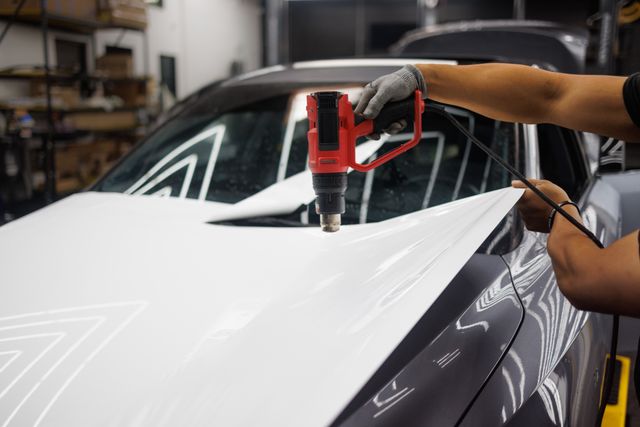
B2B marketing has spent the last decade chasing clicks, impressions, and constant algorithm changes. Yet a growing number of B2B brands are now circling back to something refreshingly simple: a vehicle that people actually see every single day.
That shift explains why local marketing budgets increasingly carve out room for vehicle wraps instead of pouring everything into digital ads alone.
1. B2B Marketing Has an Awareness Problem
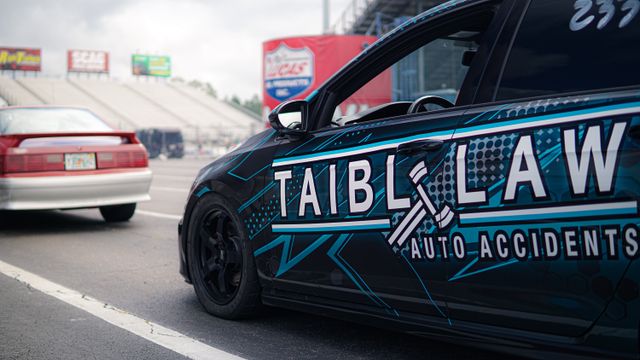
Most B2B buyers do not discover a vendor through a single perfect ad. They notice a name repeatedly, in small ways, long before they ever reach out. A logo seen once online rarely sticks. A logo seen on the same van parked outside a job site, week after week, eventually does.
This repetition is exactly what digital ad budgets struggle to deliver once the spend stops. The moment the campaign ends, the visibility ends with it.
2. A Wrapped Vehicle Works Even When the Ad Budget Pauses
Unlike a paid campaign, a wrapped vehicle keeps working without a recurring invoice. It sits in parking lots, drives between job sites, and gets noticed at gas stations and stoplights, all without anyone clicking anything.
For B2B companies that run lean marketing teams, that kind of passive, ongoing exposure is hard to replicate through any single digital channel.
3. Why Local B2B Brands Are Leading This Trend
Service-based B2B companies, in particular, already have vehicles on the road every day for deliveries, installations, and site visits. Wrapping those vehicles turns an existing cost center into a marketing asset, rather than adding a brand-new expense line.
This is exactly why a growing number of regional distributors, contractors, and service providers are now reaching out to established Vehicle Wrap Companies to wrap their fleet vehicles instead of just redesigning their websites.
RoadRunner Wraps has seen this shift firsthand, watching more B2B clients request fleet-wide branding projects rather than the single-vehicle wraps that used to dominate inquiries a few years ago.
4. The Numbers Behind the Trend
This is not a purely instinctive shift. There is real data behind why fleet branding keeps gaining ground among B2B marketing teams.
According to 3M’s fleet graphics research, a single wrapped vehicle can generate between 30,000 and 70,000 daily impressions depending on the route and area it travels. For a B2B company whose buyers are often local business owners, fleet managers, or facility decision-makers, that kind of repeated visibility is difficult to match with a single paid ad alone.
Spread across an entire fleet rather than one vehicle, that reach multiplies quickly, often without any additional ongoing cost once the wrap is installed.
5. Pairing Vehicle Wraps With Existing B2B Channels
Vehicle wraps work best as a complement to existing marketing, not a replacement for it. The strongest results tend to come from combining the two.
- Match the wrap design to website branding, so prospects recognize the connection
- Add a QR code or short URL that ties directly into a landing page
- Track inbound leads that mention seeing the vehicle, so the impact is measurable
- Use fleet photography in proposals and case studies for added credibility
6. How This Trend Fits Into a Broader OOH Comeback
Vehicle wraps are part of a wider renewed interest in out-of-home advertising, as marketers grow tired of rising digital ad costs and shrinking organic reach on social platforms.
Unlike a billboard, a fleet vehicle moves through exactly the neighborhoods and business districts a B2B company already serves, which makes the targeting almost automatic rather than something a media buyer has to plan around.
7. What Makes a Vehicle Wrap Campaign Actually Work
Not every wrap performs equally well. A cluttered design with too much text reads as noise from a moving car, while a clean layout with one clear message tends to stick in someone’s memory.
- Lead with the company name and one clear service, not a full list of offerings
- Use high-contrast colors that stay readable from a distance and in motion
- Include a phone number or short URL large enough to read at a glance
- Keep the design consistent across every vehicle in the fleet
These are small details, but they decide whether a wrap actually converts attention into a remembered brand name.
8. Common Objections, and Why They Do Not Hold Up
Some B2B marketers hesitate, assuming a vehicle wrap is too “local” for a company that sells regionally or nationally. In practice, most B2B relationships still start with a local impression, whether that is a fleet vehicle parked at a trade show or simply driving through a target service area.
Others worry about upfront cost. A wrap is a one-time investment that keeps generating impressions for years, which often makes its cost-per-impression lower than an ongoing digital ad subscription over the same period.
The Takeaway
Digital advertising still has its place in any B2B strategy, but it is no longer the only lever worth pulling. A wrapped fleet adds a steady, physical layer of brand recognition that keeps working long after a campaign budget runs dry.
For B2B brands trying to stand out in a crowded local market, that combination of low ongoing cost and consistent daily visibility is becoming difficult to ignore.